
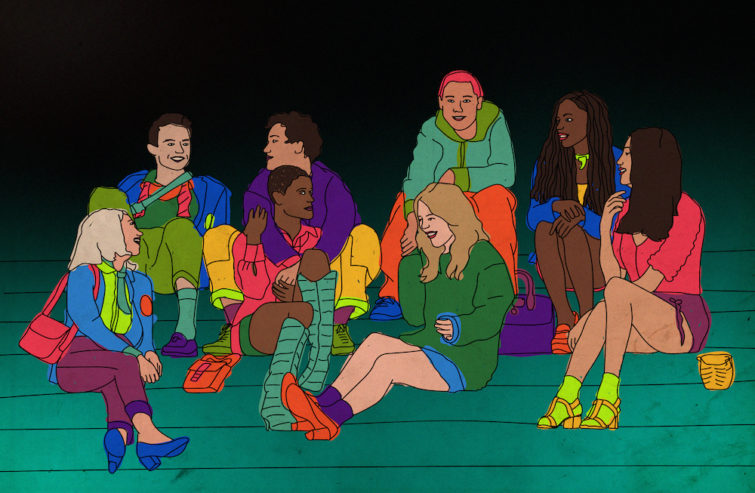
Art by Enne Goldstein, you can find more of their work here
I should be clear from the start, I only religiously watched the first three seasons of Gossip Girl, after that I saw nothing until the final episode and that was that. I mostly lost interest after they left high school, because really, when has college or adult life ever been as drama fueled as years Freshman through Senior? I should also admit, my favorite character was Jenny Humphrey which will probably further discredit my opinions here.
Gossip Girl wasn’t my favorite high school show, and it became repetitive and unbelievable as it went on, but there were aspects of it that I enjoyed. I loved Blair’s unapologetic bitchiness, Jenny’s near sociopathic dedication to social climbing, Chuck’s delight in his cartoon villainy. I’m sure my appreciation of these characters says something about the morals and ethics of my teenage self, but I digress.
Like many early 2000s shows, Gossip Girl has almost zero diversity. As I recall, there was one black character (Vanessa) and one queer character (Eric). In the tradition of Charmed and the Craft, the Gossip Girl reboot promises a more diverse and inclusive cast with several LGBTQ+ and BIPOC leads. Which is amazing. But it’s not enough. I want television that reflects the world I live in, which is extremely diverse, which is full of people who are nothing like each other and who are often nothing like the media we are fed. But I don’t just want to be handed a two dimensional world.
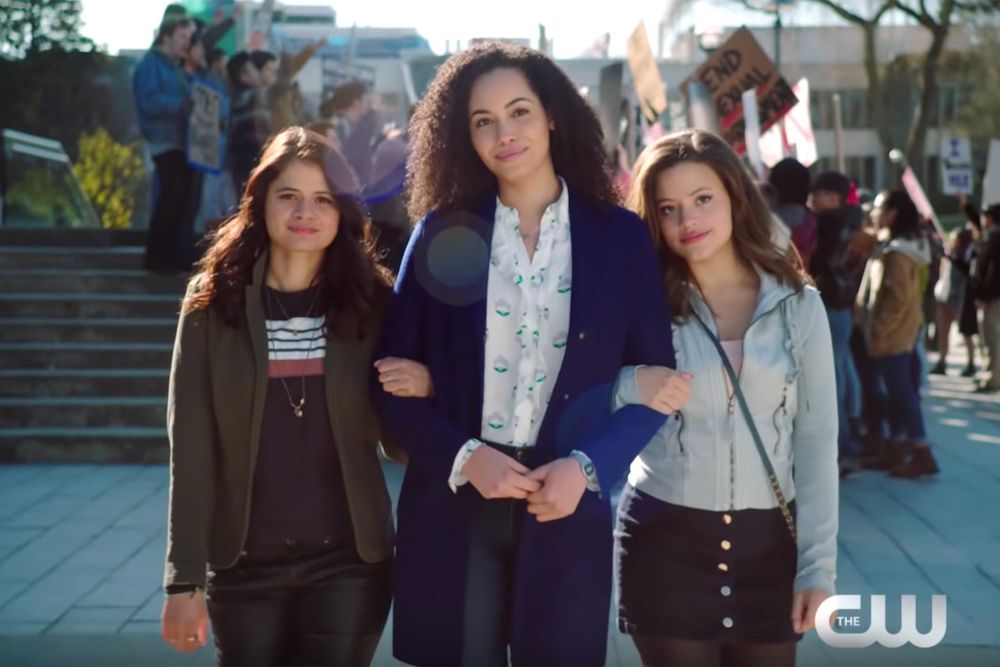
Everyone was so excited about the new Charmed reboot. I was too, having been a fan of the original from the time that I was nine. Even more exciting was the fact that the three main women were all BIPOC, with one even being an openly gay woman. And that is absolutely groundbreaking — except that at the end of the pilot episode, these three powerful women only escape unharmed because of the help of a white cis male. Early in the episode, Mel tells Harry, the very same white cis male who will become their savior, that he should not be head of the women’s studies department (she’s right), and after he tells her his bonafides, she backs down. The issue with the Charmed reboot is that it pays lip service to the empowerment of its leads without giving them an opportunity to display this power. The show doesn’t even give enough time to its leads to develop their characters. I still don’t know anything about the three women beyond a shallow understanding that Maggie is the romantic, Mel is the feminist, and Macy is… a scientist I guess? Having a diverse group of women as leads is meaningless if they are all incompetent without a white male, and it’s even worse if you can’t differentiate between the characters without referring to a wikipedia article.
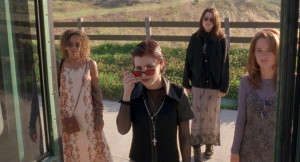
The Craft: Legacy goes in a similar direction as the new Charmed, with its casting of trans actress Zoey Luna, and the allowance of the character Tabby to comment on her lack of “black friends”. However the issue with Legacy is that, despite its commentary on toxic masculinity, and heteronormativity, the main cast of girls are all disappointingly… normal. The original Craft reveled in its weirdness, the girls un-self consciously enacting their revenge of the outcasts plans with no real bitterness for their status as freaks. Even after Nancy’s family becomes wealthy (thanks to a little bit of black magic) she maintains her mall goth style, and ferocious demeanor. Rochelle’s revenge takes the form of a racist bully losing her hair in a disturbing shower scene. Even spells that don’t start out with any real dark intent tend to go awry in vaguely terrifying ways.
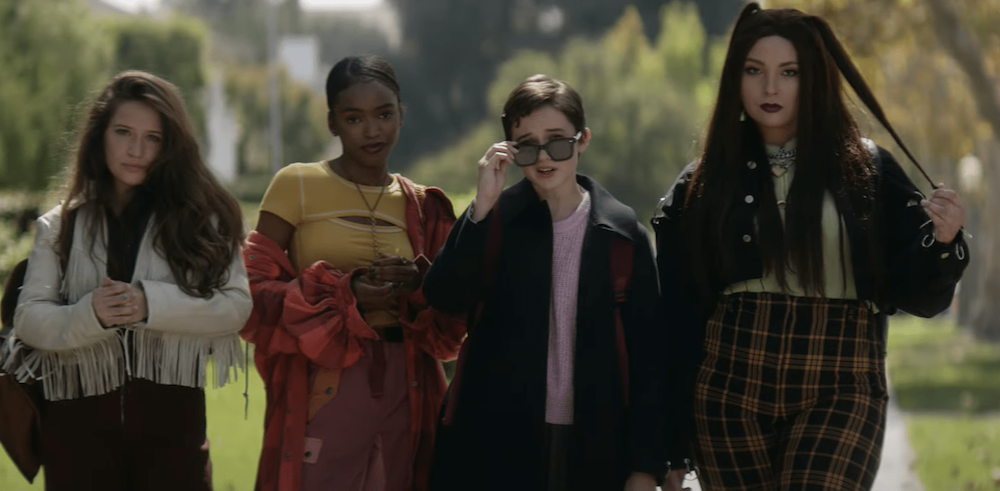
But Legacy doesn’t have any of the edge of its predecessor. None of the women in this go around experience any repercussions for their magic. They cast a spell on a sexist bully to turn him into a woke hero and… that’s that. The women find empowerment and sisterhood in their exploration of their magic, and that’s all well and good if you’re interested in a movie about teen witches. But unfortunately the film neglects to go any deeper than that. Rather than a follow up to The Craft, this movie feels like it could easily be television after school special.
One of the best things about the original Gossip Girl was how blood thirsty it was. There was social warfare, public humiliation and even murder to contend with. The men were cruel, and the women were even crueler; the show entirely unafraid to sometimes veer into the problematic in order to show just how forceful these teenagers could be in the landscape of upper class Manhattan. If Gossip Girl were to be rebooted, a change in the casting would be necessary. Even when the original was on the air, it wasn’t entirely reflective of what a melting pot like New York looked like. Now, it would be impossible to suspend disbelief if the cast remained mostly white and straight.
My hope for the reboot would be for this new generation to remain as brutal as the previous. The idea that adding diversity, and political wokeness has to lead to a sanitized variation on an original idea feels condescending at best. We want to be seen, and we want to be able to see ourselves in media. That means portraying a version of us that includes all of the less savory aspects as well. So let the new Gossip Girl be gay, let them be non-white, and please for the love of Gossip Girl, let them be mean too.