How to choose the most iconic horror movie villains, and who exactly am I to do the choosing?
I’m a horror fan, clearly. I write lengthy articles on horror, and am writing a horror novel, but I’m not like, an academic expert on horror, though I try my best.
There are so many villains to choose from. After all, horror films have a cultural history reaching all the way back to the silent film days. Horror villains themselves existed long, long before that, with popular iterations in classics such as Bram Stoker’s Dracula and Mary Shelley’s Modern Prometheus, better known as Frankenstein. So how are we to choose who is the best, who has the most staying power in modern culture? Who still scares us when we turn off the lights?
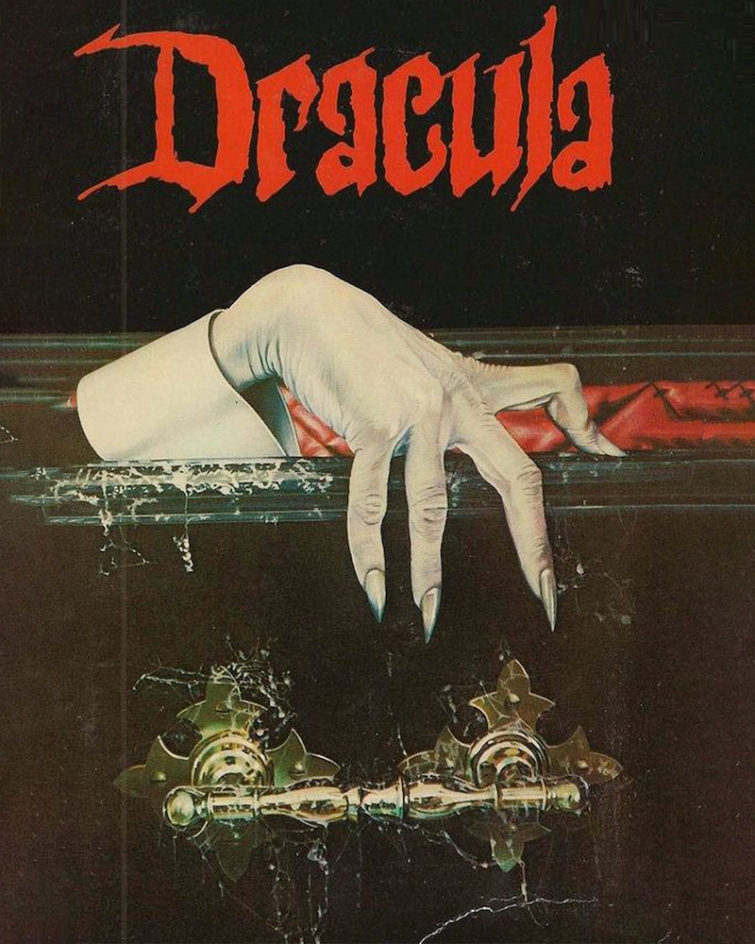
Each week leading up to Halloween this month, I will be breaking down an iconic villain who stayed with us and still triggers that primal terror in us, as well as why it is that they have this power. So, who better to start with than Count Dracula himself?

I know, how boring, how overdone. And how… un-frightening? Right? Nobody these days is REALLY afraid of vampires, and at this point, the whole vampire genre is done to death (pun absolutely intended) and nobody is more ready to go back into the coffin than Dracula himself. However, there is a reason why vampires and in particular Dracula keep getting brought back into the cultural vision. It’s because nothing stokes a more personal and universal terror than the vampire.
Though you might be able to track down the first iteration of the vampire in literature, you would be hard pressed to figure out the origin of the actual concept of the vampire. It seems that this specter has been around almost since the time that humans began to be afraid of the dark. More remarkable is the vampire’s prolific nature across cultures ranging from the Hebrew Estries, who could only be female, to the Indian Vitalas who inhabited corpses. It’s fascinating to think that these monstrous conceptions popped up on their own in such disparate places. However human fears are rarely so mysterious as one might think and they transcend cultural barriers the way that the need for food and drink do. Fear is necessary and it’s natural. It’s part of why mankind has managed to survive this long.
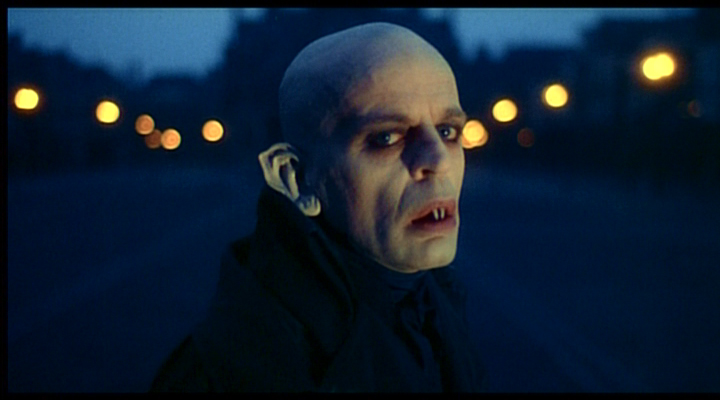
So, why do we fear the vampire? Traditionally, the vampire is a foreign entity, beholden to byzantine ritual and deep seated vanity, has hypnotic powers of persuasion and, most importantly, eats people. It is a romantic and brutal being who parallels human rituals of sacrifice with itself positioned as deity, and if you accept its rare invitation to partake in this unholy communion, you can consider yourself transformed.
A vampire is an outside force, calculating and careful, that insinuates itself into its victims internally. Overall, the vampire is seductive. To adopt an old-timey world view for the sake of this argument: a vampire is the fear that an outsider will seduce and corrupt us, instilling in us the uncontrollable urge to destroy what we most desire. To puritanical sects from the old world, this was very frightening because the popular religion at the time taught is that desires such as these were corrupting and evil. Of course this only made us want what we wanted more. To older and less restrictive groups, it was frightening for a more primal reason, the same reasons why death and darkness are frightening: because they represent what we don’t understand, and they remind us that sometimes we contain forces that are unrecognizable even to ourselves.
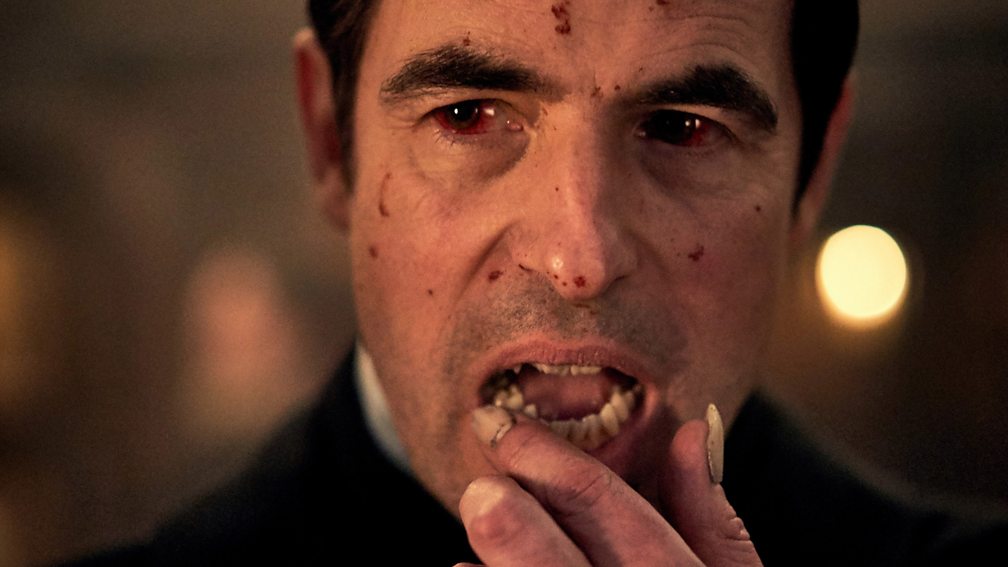
And so of course these fears stay with us even in modern times and feature often in modern media. Bram Stoker’s Dracula was not the first literary vampire, however he is the most iconic. And he has made appearances in both film and television since Stoker first created him. It’s a bit of a joke nowadays to think of the romantic, charming and sexual aspect of vampires, but Stephanie Meyer did not make this shit up. It almost goes without saying that the image of someone sucking on your neck is kind of hot (come on, it is). And Dracula embodies the original gothic conception of the gentleman monster. We first see him at the beginning of the book, and the classic Coppola film as the monster he is. Bleach white with dagger like nails and red eyes. But the more he feeds, and the more victims he seduces, the more desirable he becomes, making him even more difficult to resist. He never stops being a monster, but the frightening aspect of this particular monster is how easy to is to be taken in by him. And how easy it is to sympathize with him.
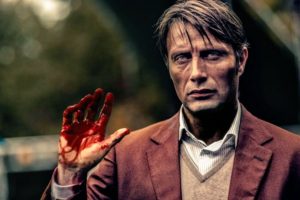
Dracula is a classic gothic romance figure, pining after lost love, desperate for what he cannot have, and he is presented as nearly irresistible to Mina, the gothic heroine of the story, who in the end truly does want to be with him (I don’t envy her having to choose between young Gary Oldman and and young Keanu Reaves, that sucks). Ultimately, there have been multiple Dracula type figures in horror and gothic literature for years including Heathcliff from Wuthering Heights, Mr Rochester from Jane Eyre, and even Hannibal Lecter. I’d actually argue that he is far more similar to those characters than the Edward Cullens of the world but that’s a different story.
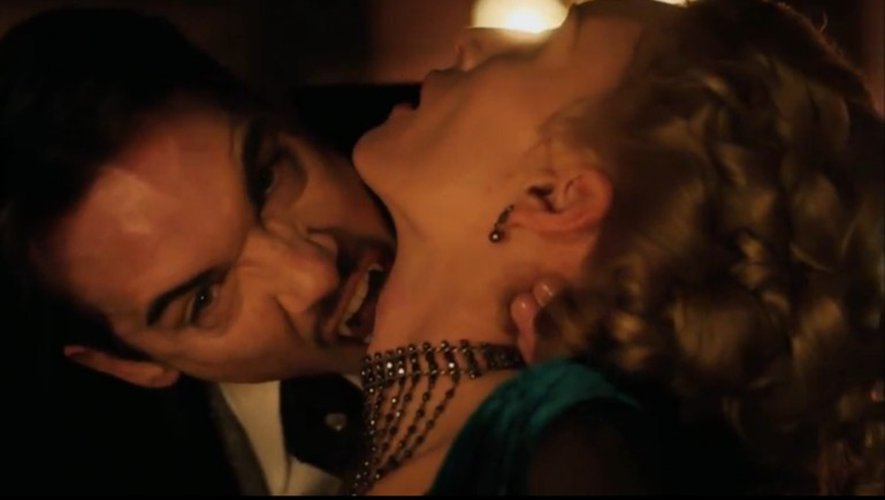
So, in honor of his continued immortality in comic books, video games, books, film, and breakfast cereal. The first horror villain of the week, goes to the Count. Stay thirsty!