

In an ever-changing, fast-paced world, styles, fads and trends ascend and plummet so quickly that before the general public has a grasp of the concept, the next shiny new blip on the global fashion radar has already emerged. Very few items can stand the test of time in the volatile fashion landscape — but one that stands out, still gripping influence across various subcultures and age groups is the classic motor leather jacket. Today, leather jackets have become a ubiquitous staple in a modern fashionable wardrobe, whether bought designer or off the rack.
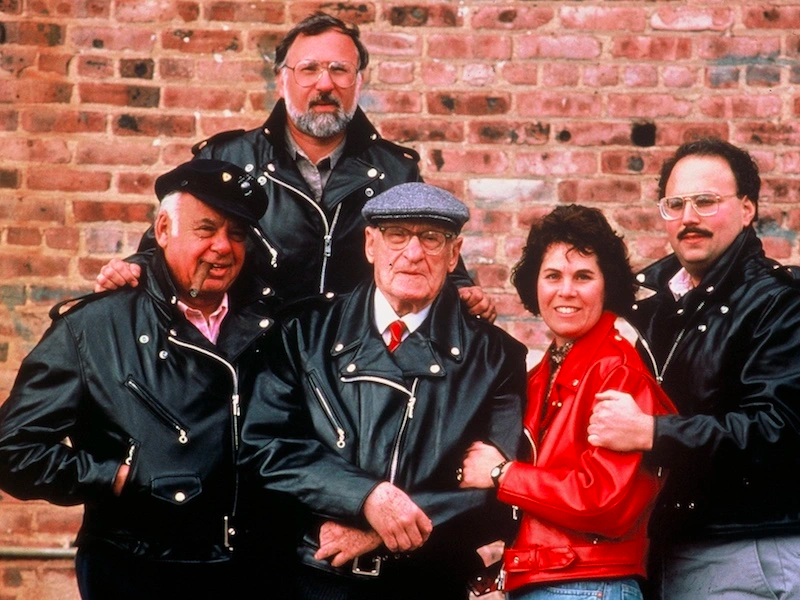
Schott Family, Schott NYC, 1989
The iconic silhouette was conceived in 1928 by Irving Schott in his basement residing in no other than NYC’s Lower East Side. Irving dubbed the 50-pieced leather hide masterpiece the ‘Perfecto,’ named after his favorite accessory, his trademark Cuban cigar brand. The ‘Perfecto’ rose in popularity in the 1950’s when the likes of sex symbol Marlon Brando and infamous rebel James Dean sported the coat on the silver screen. Upon Dean’s tragic, lethal car accident, Perfecto sales skyrocketed and the leather jacket solidified a place in pop culture, symbolizing rebellion and counterculture.
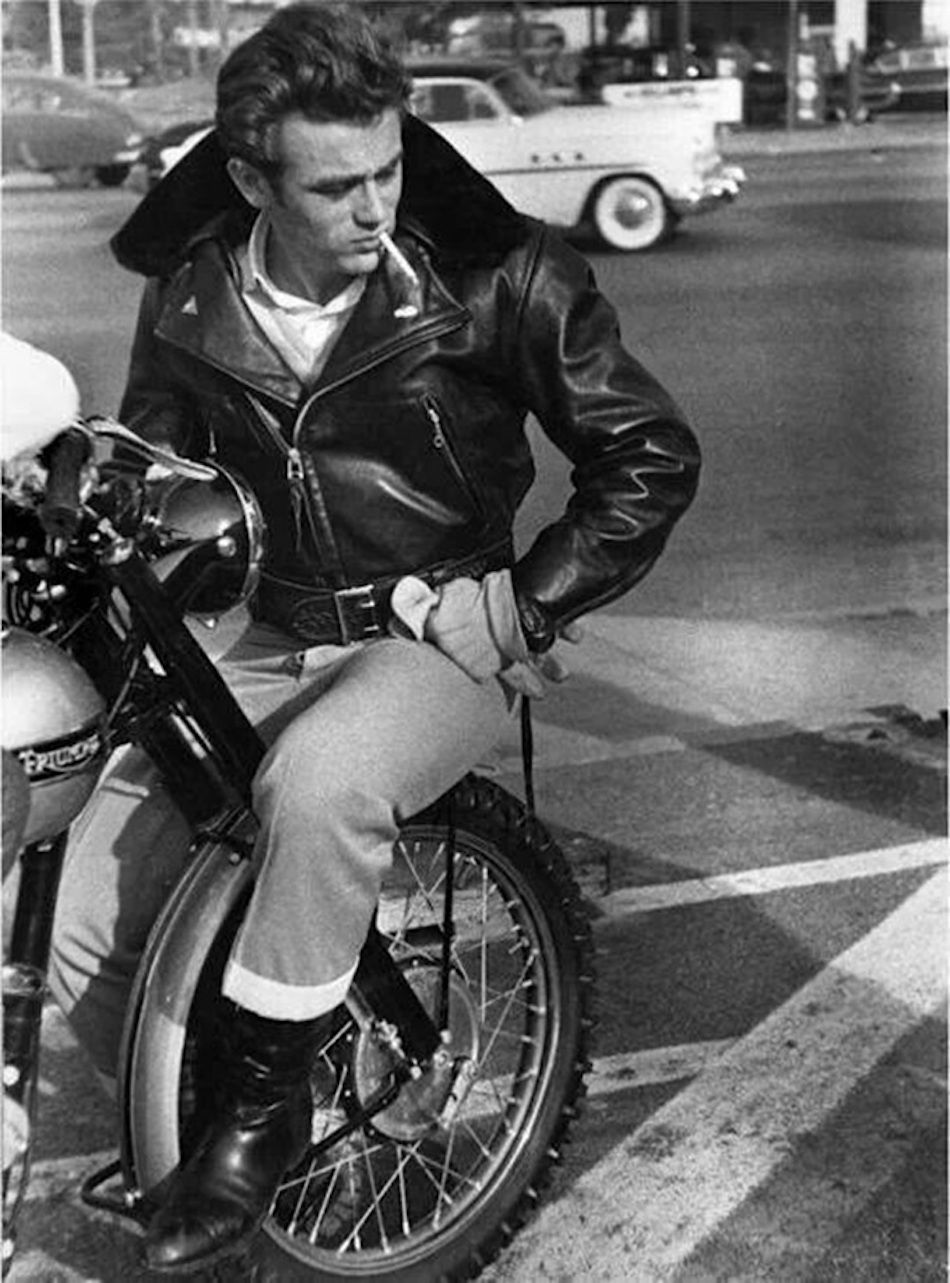
James Dean by Phil Stern, 1955
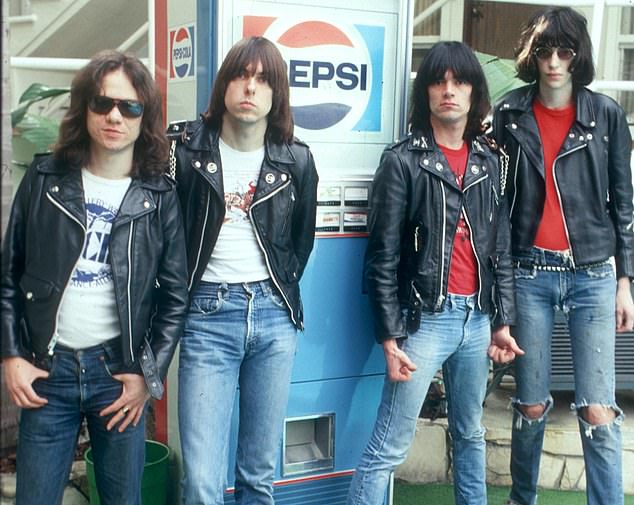
Although the asymmetric zipper-sealing piece was originally designed for motorcycle riders, the jacket began to trickle into mainstream trends when music legends began quite literally rocking them. Notoriously, the king himself (Elvis of course) emerged in his monumental all-leather getup for his ‘68 comeback tour, propelling motor leather jackets into rockstar culture. Iconic bands like the Ramones and the Sex Pistols added the piece to their everyday repertoire, furthering its punk reputation.
The innate nature of leather jackets is to slowly mold to one’s body, becoming a better one-of-a-kind fit after each wear. When leathers became more widespread, wearers began personalizing their prized possessions to make the piece even more unique to their own identity. The newfound leather canvas was adorned with pins, paint, chains, and more to express one’s personal views, especially in relation to anti-establishment beliefs.
The Ramones by Svein Boje Andersen, 1978
Amidst the transcending ‘70s, women also took to the leather trend and began to incorporate the rebellious staple into their wardrobes as well. In the latter half of the decade, Joan Jett and Debbie Harry challenged societal norms, pushing the boundaries of femininity not only through their poignant, antagonistic lyrics but also their revolutionary style and attitude. Their punk rock getup, predominantly made up of messy hair, ripped jeans and leather jackets, inspired a generation of women to break free from traditional fashion constraints and express themselves more boldly.
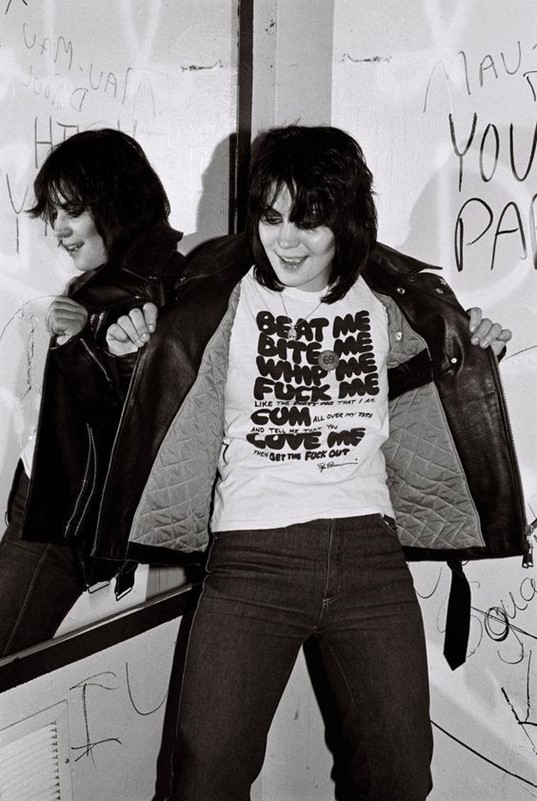
Joan Jett by David Arnoff, 1978
The next decade brought a reconstruction to the classic shape, incorporating bright colors and broad shoulders. Michael Jackson popularized these flashy models spotlighting them in several performances and music videos. The timeless, dynamic jacket was immortalized by countless music legends over the years, worn on and off stage. A noteworthy, noncomprehensive list includes: Jim Morrison, Bruce Springsteen, Lou Reed, Lenny Kravits, Lady Gaga and many more.
Leather jackets have not only stood the test of time, but have thrived in pop culture for more than a century, evolving and molding to modern expressions. These coats have remained a timeless piece at the crossroads of music and fashion and will continue to adapt through the decades.