


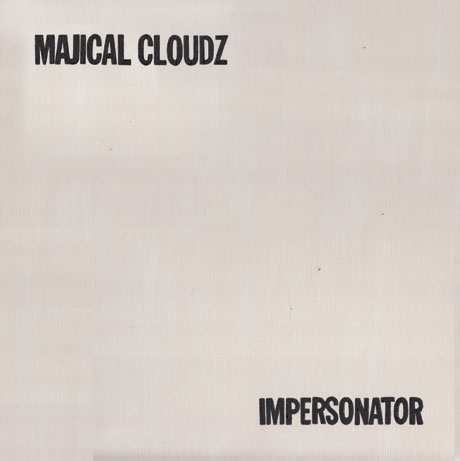
It’s easy to find the beauty in a perfectly orchestrated, lushly composed album. It’s also easy to love an album with a strong pace and nostalgic guitar riffs. For some artists, the talent is staring you right in the face and all you need to do is listen. In the case of Majical Cloudz, it’s a completely different story. On Impersonator, the talent that shines through is in crafting songs that are incredibly simple but also eloquent and beautiful in their simplicity. There are no grand sonic gestures on Impersonator. While this can feel disappointing at times, it forces the listener to focus on the lyrics, which deal with loss, hopelessness, and loneliness. Impersonator ends up being beautiful not because it plays like a great album, but because it plays like an inner monologue of someone’s weakest moments.
Much of the subject material isn’t new on Impersonator. Devon Welsh largely sticks to the main points of the “sad bedroom album” formula of loneliness, wanting, depression, and isolation. But what separates his idea of these things from the other albums of this ilk is the idea of the impersonator. In this case it is more than an album name and feels like Welsh trying to explain his vulnerability. Throughout the album we are led to believe that Welsh is trying to find happiness and camaraderie by mimicking other people that he feels have attained these things. Instead of wallowing in misery like most of his contemporaries, it feels like he’s actively attempting to pull himself out, but the advice or actions of those around him are not effective in helping him. There is a greater theme here about the importance of feeling comfortable as yourself, but it is only lightly touched on throughout the album, and the fact that it isn’t rammed down the throat of the listener makes it all the more poignant.
If you’ve heard this album or have even read anything about it, you must be aware that it is considered a “minimal” album. The actual musical portion of the album is very simple and understated. This isn’t to say that the album doesn’t have great musical moments. Songs like “Mister” and “Turns Turns Turns” can stand on their own simply by their instrumentation––and both in different ways. “Mister” has an infectious pace and beat. “Turns Turns Turns” uses sampling, harmonies, and simple drum beats to make a completely unique soundscape. These songs end up causing some disappointment in the album as a whole simply because they show so much promise. It is obvious that Welsh and Matthew Otto have massive talent as musicians. It leaves you wondering what a filled out version of this album would sound like.
Even if it the style can feel underwhelming, the ruminating and introspective way that the album plays out is one of the most important unique identifiers of the album. Equally as important to the lyrical content is the musical style that they have chosen. Because the sound never overpowers the echoing vocals, it gives the album a feel of truly being Welsh’s inner thoughts and feelings. You can understand every time there is a moment of nervousness and self-defeat. Each attempt to find love and friendship feels personal and painful. Each new understanding and triumph–however minimal–feels earned.
The album ends with our protagonist seemingly finding understanding through the death of someone they love. In fact the last lyrics spoken on the album are “Love will conquer these feelings, yeah.” It’s fitting that the ending comes not with the protagonist escaping his depression, but coming to an understanding that there is hope that it will someday pass. While Impersonator sometimes feels slow and plodding because of its style, it ends up being a very powerful album based on its interpretation of the quest for happiness in the midst of despair. It’s an album that leaves you wanting more. In this case, maybe that is exactly what Majical Cloudz wanted.
Review by Justin Owlett