
Article by Angelina Hazzouri Photos by Michelle Paradis
When I first saw the band name “Laurel Canyon” on an event flier in summer 2023, I expected to encounter soft indie rock music with feel-good lyrics and whimsical band members wearing white linen and exuding California-esque energy. I couldn’t have been more far off.
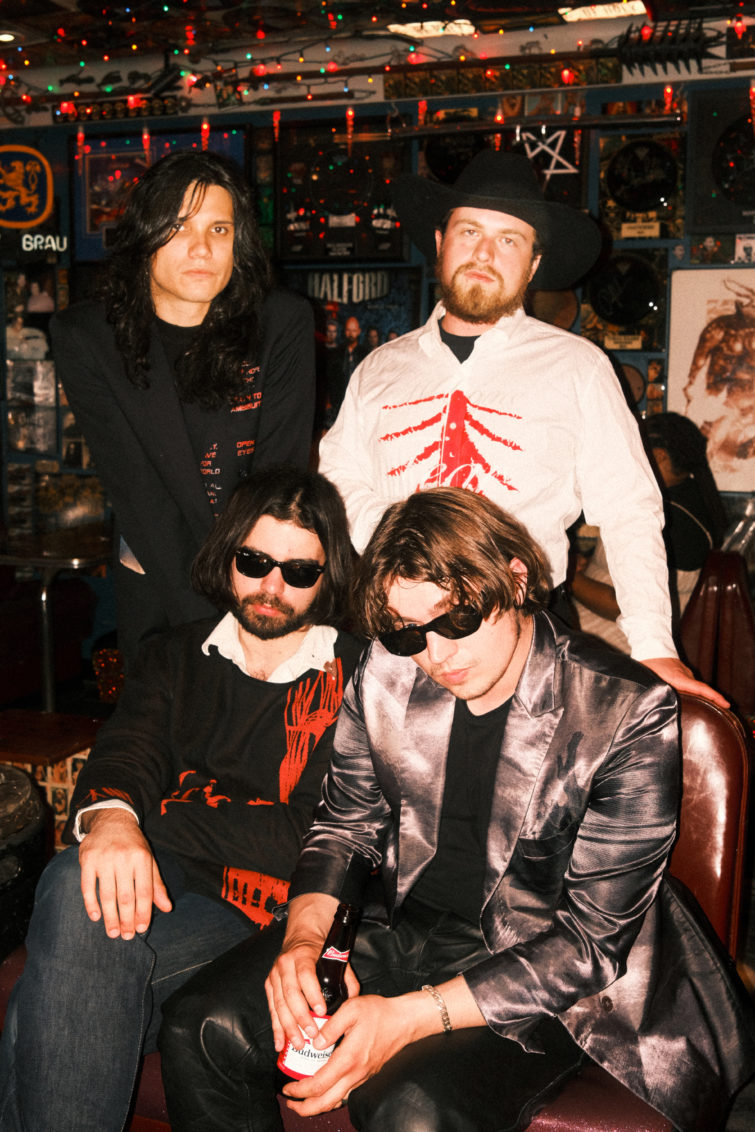
A year later, I have the opportunity to sit down with the members of US punk band Laurel Canyon and discover the real meaning behind the oxymoron of their band name, a question that’s been burning in the back of my mind since the first time I saw them live at the Rockaway Beach Amphitheater. I walk into Duff’s heavy metal bar in Brooklyn on an unassuming Tuesday night, surprised by the friendliness of the tattooed, all-black-clad female bartender greeting me when I walk in. (I guess I shouldn’t be that surprised, as I, too, am a tattooed, all-black-clad female.) The band is sitting in the back of the bar on Duff’s weathered seating, which includes cracked leather sofas, beer-stained booths, and even an execution chair(!). The band members stand up to greet me, and I can’t help but notice I’m stepping on broken glass. “Before you got here, some woman came over here and smashed a bottle on the ground right in front of us,” says one of them. “That’s rock ‘n’ roll, baby,” I say at the same time as lead vocalist and guitarist Nick Gillespie.
We start the interview by talking about Allentown, Pennsylvania, where the band is from.
“When Iggy Pop played us on the BBC, he mentioned Allen-” starts Gillespie. “What?” I interrupt. Iggy Pop as in Iggy Pop.
Gillespie goes on to explain that when Iggy Pop played Laurel Canyon’s music on the BBC, he mentioned that Allentown seems like a hard place to get out of—which might be true—but the band has already successfully worked their way into New York’s music scene over the last year and just released a new EP East Side, produced by Gordon Raphael, who notably produced much of The Strokes’ discography.
The Allentown piece is interesting. Drummer Lachlan “Lock” Driver shares that when playing shows in New York, sometimes there’s an undertone of wondering what prominent people in music and culture will be at the show, an imminent reminder of the challenges that come with putting yourself out there in an artistic space. This feeling isn’t isolated—other artists and writers and musicians I’ve talked to feel this way, including myself sometimes. “Everyone’s trying to be cool here. It can be hard to just let go and have a good time,” says Driver. When playing shows in Pennsylvania, eschewing inhibitions comes naturally, and the band can really let go. They’re learning to harness this energy and let it inform their shows outside of PA, and it’s paying off. I tell them that when I first saw their show in Rockaway last year, I texted my friend saying how good this band was. “We were all on ketamine!!!” they interrupt me, laughing. “My guitar became a snake,” says Serg Cereja, who plays rhythm guitar and sings backup vocals. Bass guitarist Dylan Loccarini speaks up, grinning, “I was the only one who was not on anything. I had no idea what they were all going through.”
Through their laughter, the chemistry of the guys is palpable. Gillespie and Cereja met in Allentown 4 years ago and have been friends ever since. Cereja and Loccarini are cousins. Together, they recruited Driver, and thus the band was formed. It’s clear during our conversation that they’ve formed a strong bond in creating their art.
I have to ask them about the name Laurel Canyon—a clear contrast to their punk rock music and attitude and attire. Gillespie is ready with the answer.
“The name is something me and Serg came up with. It’s a reference to how, in Laurel Canyon in the 60s, there were all these nepo babies and CIA children, and that’s what started the hippie scene—and nobody really knows that. We’re kind of just making a tongue-in-cheek reference to it. Like, Jim Morrison’s dad was a prominent military guy, a naval admiral.”
“I didn’t know that.”
“Yeah. And so people always think, ‘Oh you like Laurel Canyon [the place] music?’ but we’re actually taking the opportunity to call out the counterculture being programmed and how it’s all bullshit.”
Driver jumps in.
“It’s kind of like, in the 50s and 60s, everything was very cookie-cutter. You know? You had the house and the dog and everything. And then, out of nowhere, it was wrestling in the mud and having sex with dudes. Out of nowhere. And acid. And all that stuff. And the government was trying to control it.”
Gillepsie concludes, “There are punk roots to why we chose Laurel Canyon as a band name.” Badass.
Their punk influences come through on East Side, which just released in May on UK label Agitated Records. Departing from the noise influences of their first album, Laurel Canyon “reeled it in a bit” to offer more of their 60s-pop sensibilities in the music. This was the first project they all crafted together as a band, practicing and recording live, each with a hand in something—whether that be harmonies or production ideas or lyrics. On this EP, they’re pairing their earlier sound and pop sensibilities with newer punk influences they’ve gathered together as a band. It comes through on title track “East Side” especially—a song that starts out soft but quickly delves into the harder punk-pop elements they refer to. With a catchy hook and lyrics, “You don’t believe it, but you know it’s true,” this song is certainly one with replay value. Laurel Canyon’s efforts are paying off.
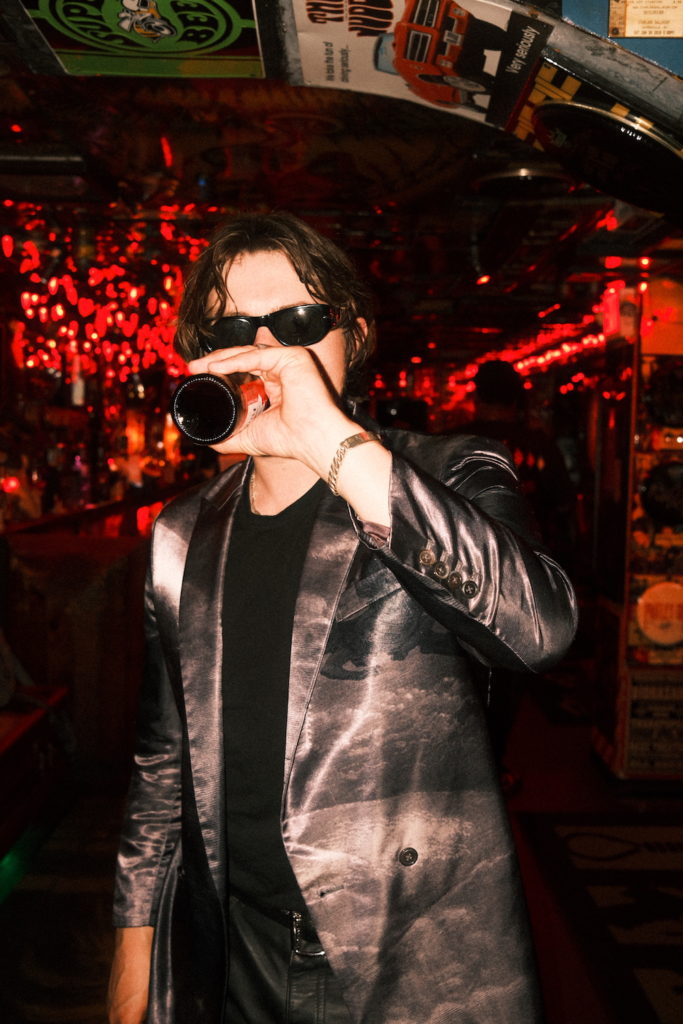
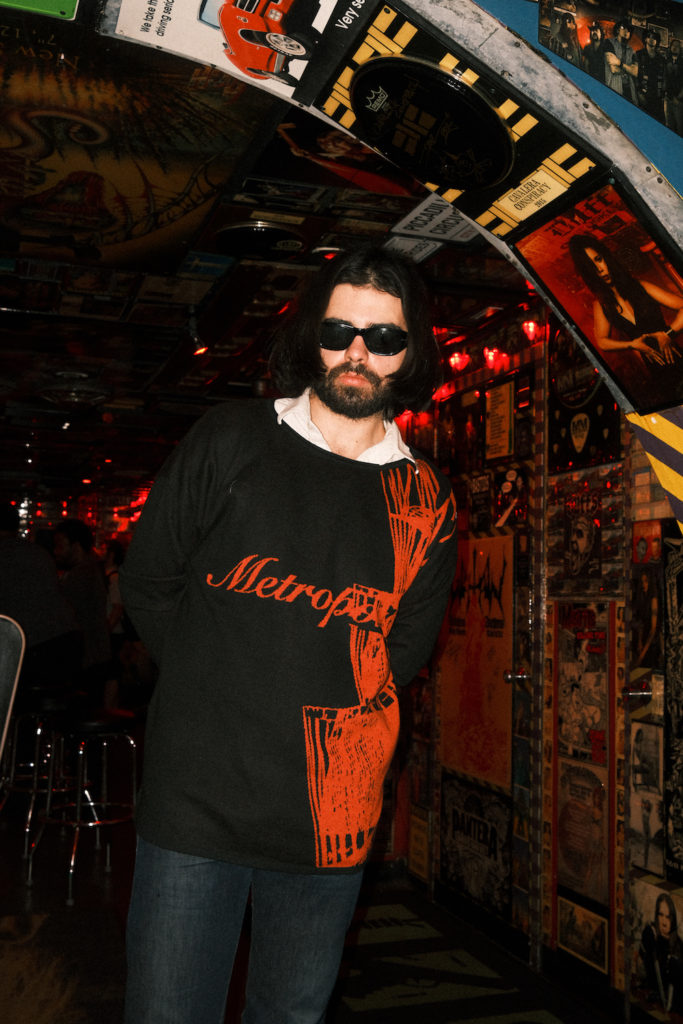
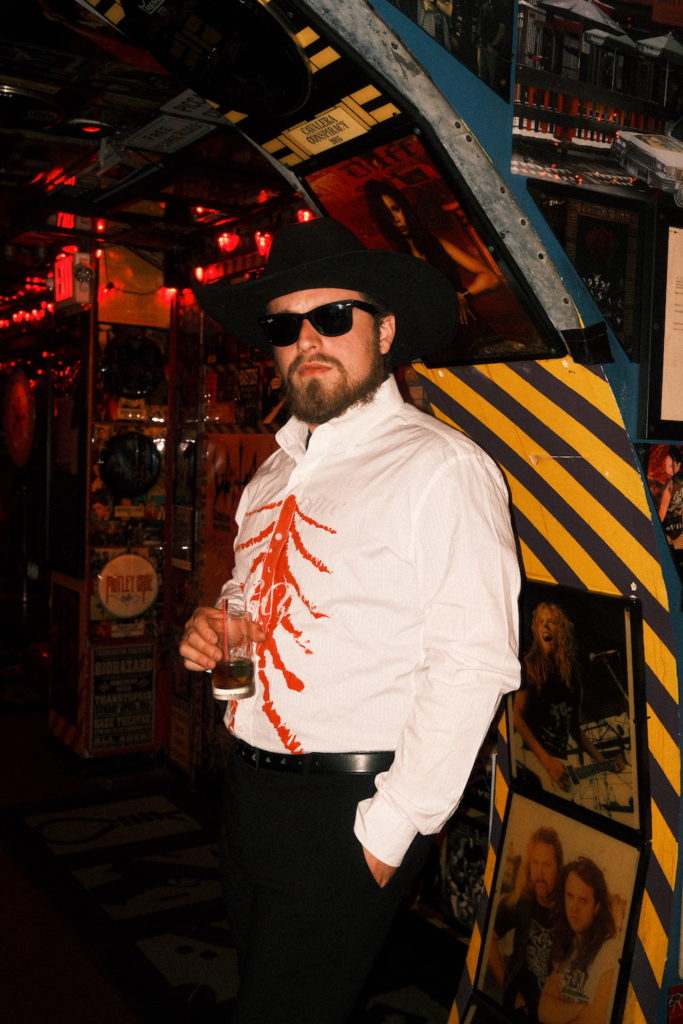
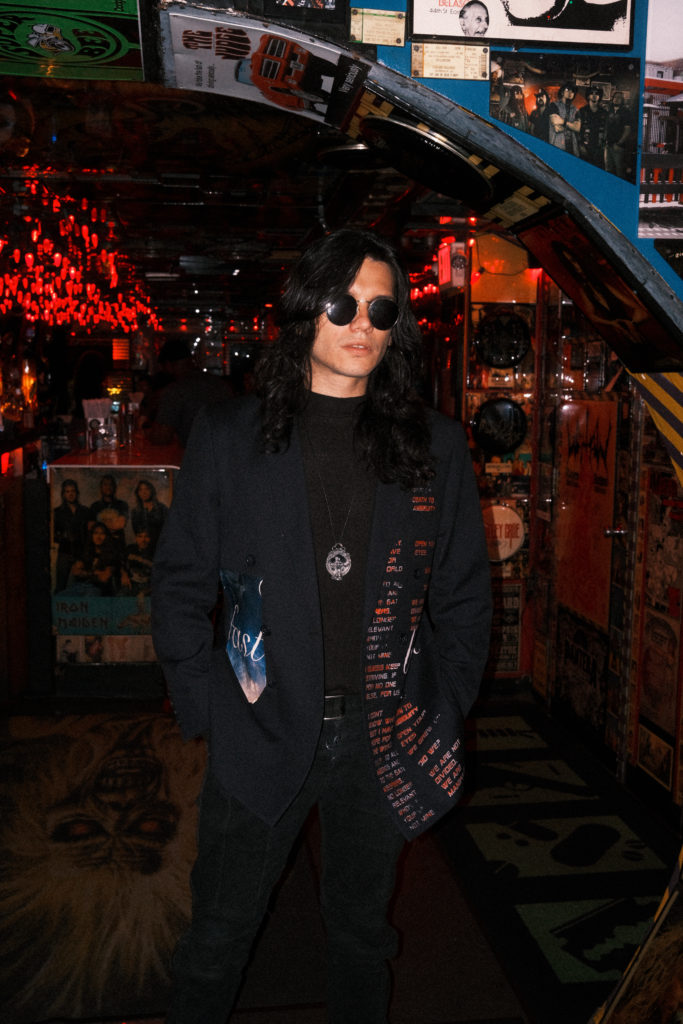
Heading outside for a smoke break, we finish the interview on the mismatched chairs on the sidewalk in front of Duff’s. I ask what’s next for Laurel Canyon, and we’re interrupted by two police officers who are looking for the woman who’s been smashing glass bottles on people. “That’s her!” points out Driver to the officers. Never a dull moment.
Laurel Canyon has just filmed a music video for their song Garden of Eden, directed by friend and collaborator Serge Neborak, to be released later this summer. “The concept of the video is that we’re soundtracking a psychedelic strip tease, and there will be all these Biblical references. We’re excited.” They’re also writing and recording a new album.
The cops return to ask more questions about the bottle smasher, and suddenly we’re doing two interviews at once. When they leave, I ask each band member one final question:
“What else are you guys into right now?”
“Japanese rock.”
“Death metal.”
“Guns.”
“Drugs. Drugs and poetry.”
That’s rock ‘n’ roll, baby.