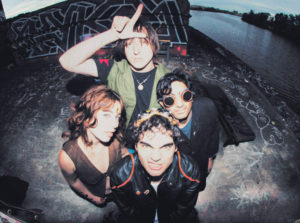

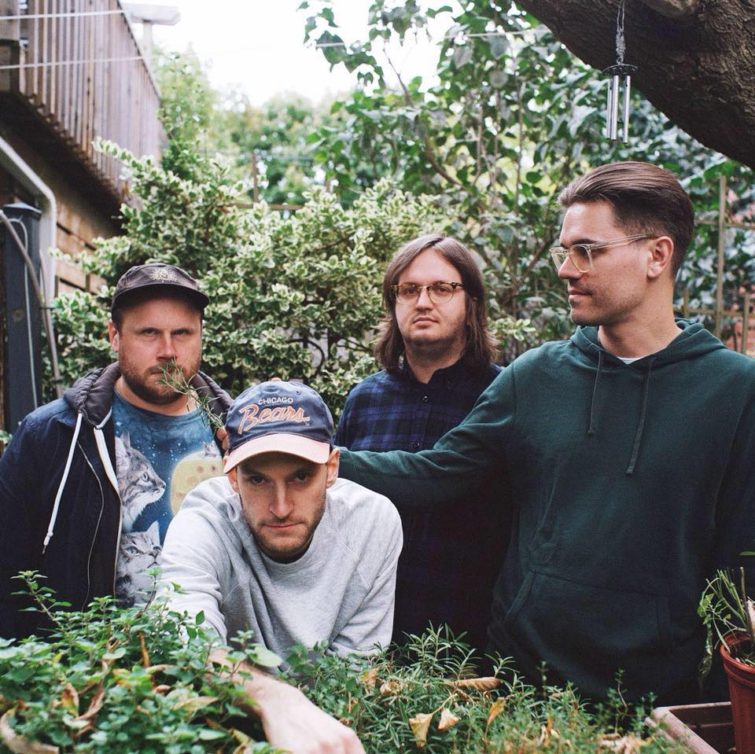
PUP’s (short for Pathetic Use of Potential) latest release Morbid Stuff pours emotional attention into lived experiences through unison screams sang over a vivacious, never-ending string of pop-punk anthems. PUP has managed to convert depression and the exhaustion that comes with extensive touring into an album that makes it ok to look at yourself while being as harsh as possible before anyone else can. Hailing all the way from Toronto, PUP has been around for over 10 long fucking years. Maybe you’ve heard of them, maybe not.
Regardless, in the production of this, their third album, there’s a clear dichotomy between the self-deprecating spectacle that are the lyrics and the soaring and cheerful that is the music but both live together and in peace, and you can either sing or scream along to it. The harmonious rallying chorus in “Morbid Stuff” is ridiculously joyful yet aggressive. In “Free At Last”, lead singer Stefan Babcock accompanies the exhilarating guitar solos. “Scorpion Hill” is fast and drum driven, yet it doesn’t compromise or stops the fast paced vibes of the album so far. By the end of the album, “City” comes as a surprise but perfectly allows the group to feel relieved, both ways.
I was supposed to go to your guys show here in New York, but I missed it, but besides that how has touring been going?
Stefan Babcock: It’s been fun, we’re in Austin right now, which is an awesome city.
Steve Sladkowski: Very hot, I can’t deal.
Stefan: Yeah it’s been [hot], then again we’ve been up now for over a month now. And we tour more or less, I mean we got a couple of breaks in there but its been more or less a frozen chill December. So, we’re kind of deep in the shit of it all.
Does tour take a lot from doing other stuff, practicing as a band, making new songs… How is touring for you guys? Do you like it?
Steve: Yeah I think like anything, it has it’s positives and negatives. Certainly, you know being away from family and loved ones and partners and stuff is tough, but we’ve been doing this for a long time. I mean 5 plus years. And we’ve been lucky that we’ve been able to kind of make it slightly more comfortable for ourselves. And I think that’s been one way that we’ve been able to kinda survive, and really kind of find some joy and some fun, but most days are great and then you have a rough day every once in a while. It’s kind of like anything else.
I also ask because I feel like in a lot of writings about your production, there’s always “Omg, they took 3 years between putting new albums out”. I feel like a lot of people don’t grasp how important it is to take time and not just put material out there. To be. To write about what you know. Every album has been so different. How is the process coming with every album so far?
Stefan: Yeah, I mean all 3 of the records have been very different. Just to talk about what you were saying before, you know 3 years between the records, I think that is a long time for most bands. But I also think most bands don’t play 200 plus shows a year the way that we do. We’re just on the road so much that there is no way to do it any faster. But each record has been pretty different in terms of the experience of writing and putting it together and the last one kinda went great because we took a little bit of time to you know write the songs properly and record them properly and we tried not to rush things too much. We had a bit more freedom in terms of we didn’t really need to stay on the road to pay our bills. We had a bit more financial freedom in that way. It was nice to kind of uh let the songs breathe and really take the time to make sure that we could make the best record that the four of us are capable of making at this point in our band careers or whatever you want to call it.
Of course. As a band you grow together, you guys have had the same members since you started. How do you feel playing songs from your first album and playing them now? Do you do that? Or do you just play songs from any new record when you go on tour. You go on tour a lot, do you give the fans, you know, their songs? Do you have that in mind when you’re playing a live show?
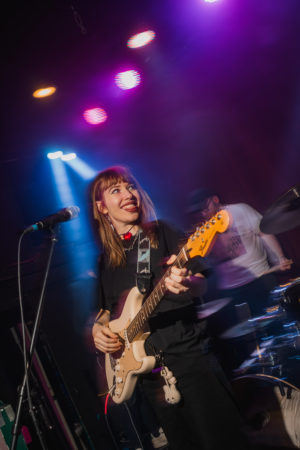
Steve: I think having played so many gigs together, we’re a technically much better band. And by being kind of confident and feeling like we just generally play well, just like the actual performance of the song, we’ve been doing that fairly well. It sort of allowed us to think about the production element of the stage show a little bit more. Right? Like it’s not something we’ve been conscious of but we really had the opportunity to put the same amount of thought into the production side as we kind of with everything else. Whether that be writing or like how we kind of pride ourselves on being a good live band. That sort of thing. Now the benefit of being of like some of the stages being a little bigger and we have a few more crew. Like we added a couple lights and you know there’s like a banner and anchor music and it all kinda like ties together a little bit more. Which is fun like I can use that, if you’re able to do it, adds an element to the show as long as it’s still reflecting the overall experience. And that’s something that I think now that we’re able to think of more, 5 years into this thing than we did back when we were first starting out, playing basements, dive bars and stuff.
Yeah. Do you miss it? All that part of, I mean it’s so good having that opportunity to play bigger shows and playing bigger productions that’s definitely a good step. For a lot of bands, DIY and underground bands, when you’re able to do that it’s like ‘oh man, from here onward we got nothing to lose just getting better and playing better’. Do you miss sometimes being in a more intimate environment with your fanatics and with the people that come to listen to your songs?
Steven: Yeah, I think there’s still ways of maintaining that intimacy even in larger rooms. Certainly, it changes things as the room gets bigger. I don’t that it’s like better or worse, but it’s just different, you know? It’s more like this many people want to see us in places, it’s just trying to figure out how to still give that experience. I think we’re playing the Mohawk in Austin tonight. Like a pretty big space, how can we give that same experience to when we played a 200 cap room the first time we played a show in Austin? I think even when we’re thinking about production, we’re thinking about it in a way that feels like it’s kind of true to the spirit of the band.
The band itself and the name are very self-deprecating and it is sort of like a joke. Your sound is very fun and upbeat and loud and it’s still very complex. Do you think PUP, [as] the band itself [helps] in a way for the group to go through shit in life?
Steve: I guess in like terms of self deprecation and sort of like and Stefan obviously can talk a little bit about that. But a big thing is like for us is juxtaposition. And that’s where that sort of like happy, kinda bouncy, up tempo music sort of offsets some of the lyrics.
Stefan: I just think people play music for different reasons and people listen to music for different reasons. For me, like not to say anything about sad melancholic music ‘cause I do love a lot of that and there is a place for it I think, but for me a reason why I play music and like music is to kind of work through the bad stuff and just find catharsis. So, I mean, humor, especially self deprecation, is a big way in which I cope with my own sort of struggles and demons. And kind of being able to make fun of myself and we kinda yell about all the stuff that’s sort of bothering me in a pretty positive environment. With my friends playing loud music that’s mostly fun music and playing shows with crowds who are like minded and screaming those sentiments back at your face. That’s I mean it’s so cathartic, It’s really like a positive, uplifting form of therapy. It’s a way to kind of turn all of this, all the sort of things that plague me into, into something that I love. Something that you know I can sort of [inaudible] on my own.
Do you think it’s important to let people know about you, have you been, have any of you guys been in therapy and feel like it’s important to talk about your mental health? And make that connection in music and let people know that you know, we’re only human.
Stefan: Yeah, I think it’s important for people who feel bad to know that there are people that feel that way. And that it’s okay and that you can turn a negative into a positive. One of the most rewarding things about putting this record out is having people tell us that we’ve really been helping them feel like they’re part of a community or [that] there’s a way to cope with this stuff in a positive fun way. It’s great to feel like maybe the music helps some people. And on a more selfish level, it makes me feel really great about myself. To know that if we’re lucky, this could have put that shit out there into the world and people respond to it positively and you know makes us feel a little bit less alone as well, so that’s cool.
Are the lyrics in Morbid Stuff mainly based on this? On your personal experiences?
Stefan: Yeah I think most of it is based on that kind of stuff. Not all the songs are that but for me lyrically you know each of the three records has been like a little snapshot of the head space that I’ve been in when we are writing, you know when we’re writing. I’m writing a lot about the strain of being on the road and this record is definitely more of just like a snapshot of where my head’s been at for the past year or two just you know there’s a lot of darkness there and that just sort of comes out but it’s not the only thing. That’s not the only thing I write about on the record but it definitely kind of worms it’s way into a lot of stuff that I’m talking about.
Catch PUP on tour and follow them on Facebook, Twitter, and Instagram