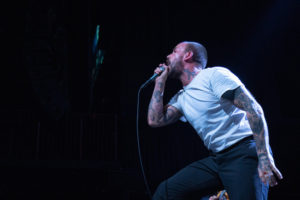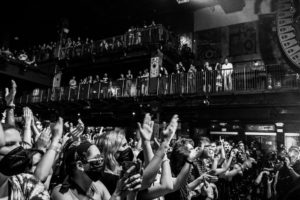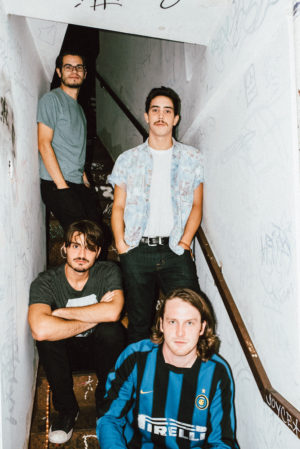

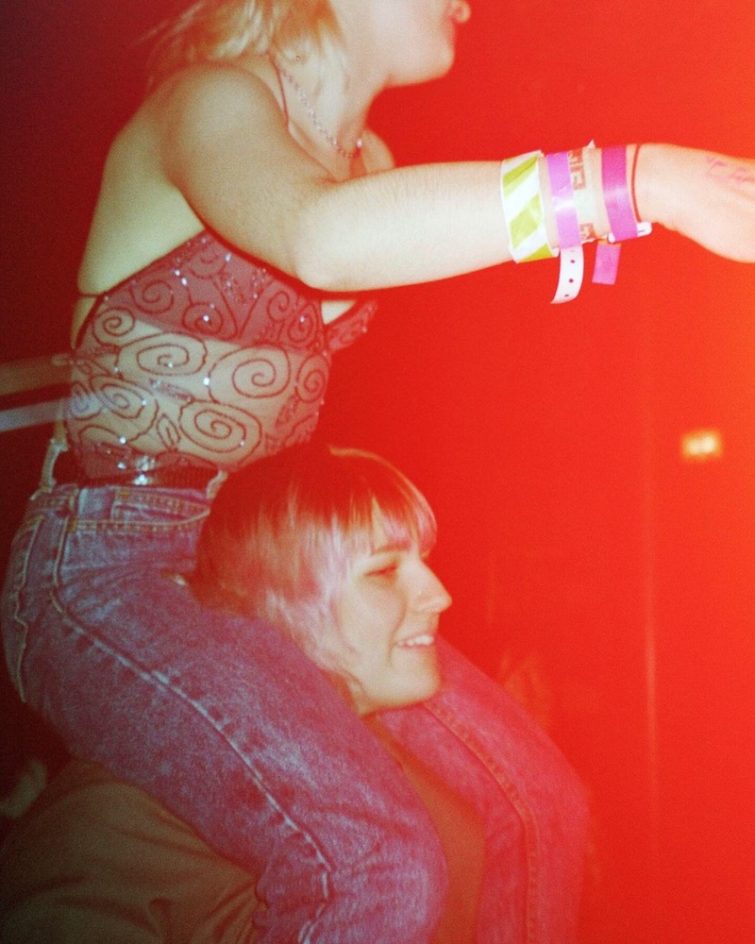
Photos by Erin Christie
Allston venue Great Scott existed as a pillar of Boston’s live music empire since its establishment in 1976. Just off the Green Line, the 240-capacity venue became one of the most beloved spots along the Harvard Ave strip — in 2016, it was named the eighth Greatest Music Venue in America by Consequence of Sound, making it the then-highest-ranked venue in all of Massachusetts (and justifiably so). With its solid reputation in mind, if you’re from Boston and into going to live shows, it’s almost unheard of if you haven’t visited at least once, if not simply to get a drink and sit at the bar.
Noting the current Massachusetts-wide stay-at-home order, however, Great Scott had to close its doors in March, putting any shenanigans on hold. With its dormancy, the venue postponed a hefty roster of shows (including gigs for a handful of bands from Amyl and the Sniffers to Porridge Radio and Disq). Little did anyone know that none of these shows would be able to happen.
When Great Scott general manager Tim Philbin posted this notice on Friday, announcing that the space would not be re-opening, even when the stay-at-home order is lifted, my world felt as though it came crashing down. Watching my Twitter timeline flood with messages expressing devastation and heartbreak at this news made it ultimately clear that this loss wasn’t just unfortunate, but it was widely felt. The closing of this infinitely important establishment is a devastating hit to Boston’s music scene and the community of Allston in general.
Though Philbin’s letter did not explicitly state why the closure was happening, a handful of sleuths quickly discovered the cause: that the company that controls Great Scott’s lease, Oak Hill Properties LLC, refused to renew their lease. As Philbin stated in an interview with WGBH this weekend, because Oak Hill worried that the venue’s loud music impacted the building’s other tenants, they gave Great Scott an ultimatum to either become “a different kind of venue” or to get out, essentially. Mulling over this situation feels like a blow to the chest, especially with this grimace-worthy detail in mind.
—–
Update – May 7, 1:03 PM ET:
Since this piece was published, we have been made aware that, according to a representative speaking on Oak Hill Properties LLC’s behalf, the company was willing to renew Great Scott’s lease (with an offer as recently as May 3, 2020) but Frank Strenk, the venue’s owner, declined.
According to this letter, when Oak Hill initially requested that Great Scott change its business model and attempt to instill some kind of soundproofing to avoid further noise complaints, Strenk outright refused. In response, “Oak Hill dropped [its requirements], and offered to enter into a long-term lease anyway.” Despite this offer, Strenk still decided to close down Great Scott, citing the COVID19 shutdown and the financial problems it presented as the catalyst.
With this in mind, the previous statement placing total blame on Oak Hill Properties LLC for the closing of Great Scott was misinformed, as the previous information had not yet been made available. Either way, the general sentiment of this article stands in that Great Scott’s closing, whatever the cause, is a dramatic loss.
—–
Currently, a makeshift cardboard sign reading, “RIP to Boston’s Best Venue, Killed By The Virus: Capitalism,” sits outside the now-empty building. It’s a bleak, heart-wrenching sight, especially since it’s true: Great Scott really was the best Boston had to offer, namely because it was unlike anything else.
Inside, the black and white checkered bar quickly transitioned into a tiny general admission floor, accompanied by a knee-height raised platform (the perfect height for bruising your shins on, should you find yourself pressed up against it). Over its 40+ years in action, acts such as MGMT, Titus Andronicus, Passion Pit, and Grimes took to the bar’s small stage, their live shows illuminated by dim, orange-tinted hanging lights and accompanied by temperamental sound quality. Even if newer, bigger, and flashier venues have popped up throughout the city over the years, none of them have the sort of oomph (or dangerous-looking metal bars hanging from the ceiling) that Great Scott did, and that’s part of the reason that it garnered such a soft spot in the hearts of many.
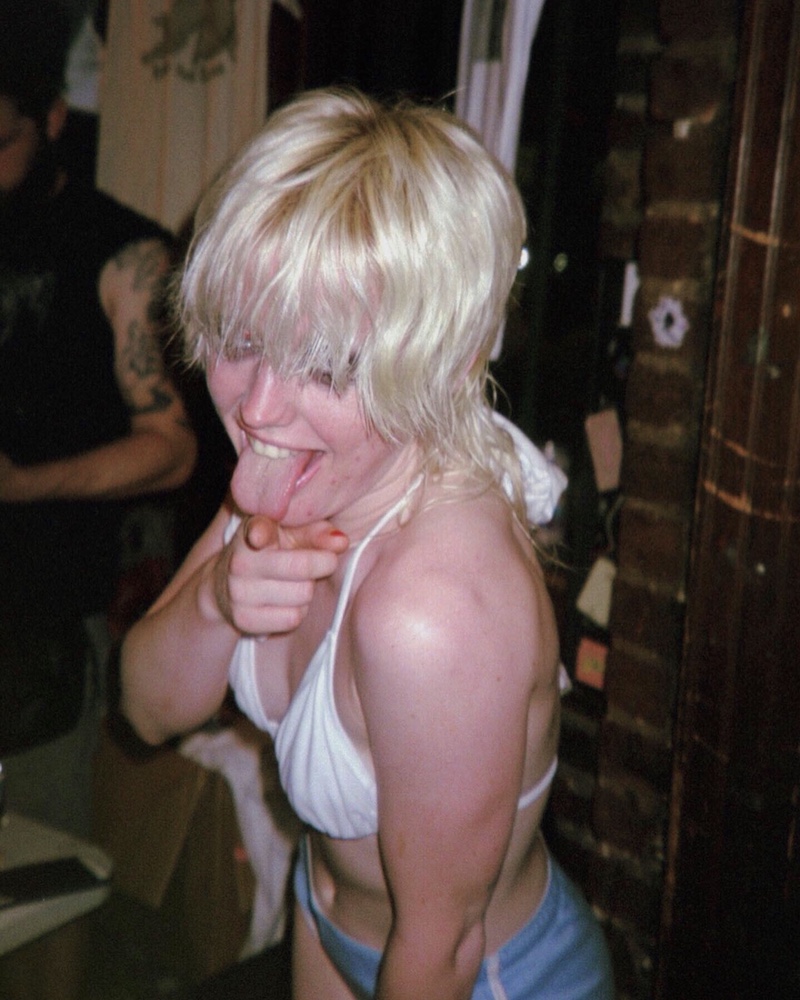
Great Scott — like past Boston venues such as The Underground and The Rathskeller — was more than just another building hosting outrageously priced shows sponsored by LiveNation. It was one of the last genuine homegrown venues left; it served as an incomparable sanctuary for smaller bands looking to make their mark on the community. There, many Boston sweethearts found their knack for performing (Pile, Vundabar, Sidney Gish, Horse Jumper of Love, and many more being prime examples). With that in mind, for current Boston musicians on the come-up, the venue’s absence is daunting.
From the vantage point of a gig attendee, too, losing Great Scott feels like losing a friend. I remember my first time going there and speeding up the Mass pike from Connecticut to see Wolf Alice at what was conveniently my first 18+ show ever (I also remember saying hi to Joel while he bought cigarettes at the 7-eleven across the intersection). That night kickstarted a routine that was set in place once I moved to Boston full-time: it was the first of many evenings spent weaseling my way to side-stage and away from the chaos ensuing around the wood-paneled bar, stuffing my jacket alongside extra gear and supplies, and shimmying along to the music.
Whether I was there for a local band showcase (such as the cover show that took place this Halloween), an indie dance party (such as The Pill), or a sold-out show from an out of town indie favorite, I was guaranteed to leave the pub with at least a few memories to go along with the temporary stamp on the back of my hand. I got used to getting the bottoms of my shoes sticky with spilled beer, tearing my pants on the rough edges of the stage, having to clutch my camera to my chest to avoid breaking it in the midst of the pit, and getting drenched in other attendees’ sweat. Being in the crowd there felt like being part of an intimate community, wherein everyone was a little shit-faced and ultimately super into whatever was taking place on stage.
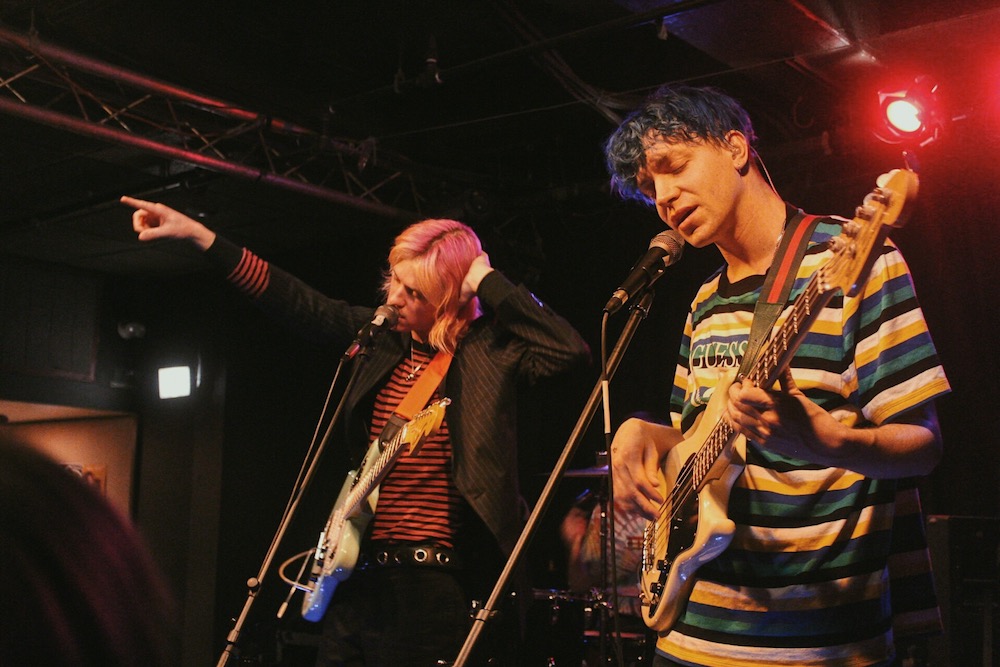
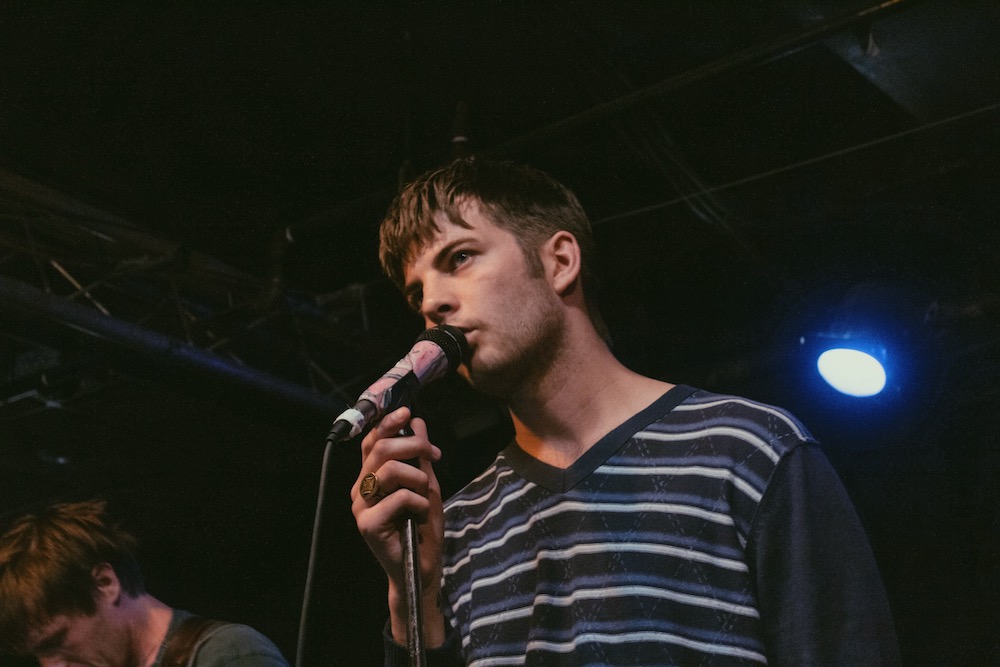
Aside from the great shows I witnessed there, though, what made Great Scott so important was the space itself. The most pervasive memories in my mind are all of the little details that made Great Scott what it was: the Elvis bust perpetually overlooking the scene each evening, the monitors above the bar that almost consistently played anything from football to Harry Potter and the Order of the Phoenix, the local band stickers that decorated every available surface, the gaggle of patrons piling onto the front porch to smoke during set intermissions, and the message reading “Fuck You’s Jim! So Stupid!’” scrawled on the wall above the barbecue outside.
It’s a weird feeling — reminiscing on something that doesn’t feel gone yet. I want to cry at the thought of my memories of Great Scott gathering dust in my mind, like pieces of art caught in time. Every time I step off the T at Harvard Ave, I know it’s going to hurt when I gaze across the street and at the corner where 1222 Commonwealth stands — and I know I’m not alone in feeling like this.
Finally, if you’re in Boston, please leave a bouquet of roses on Great Scott’s porch for me.