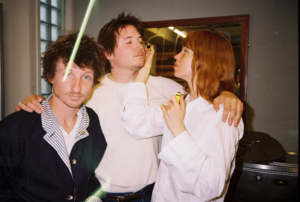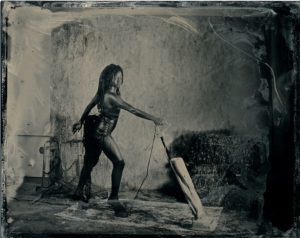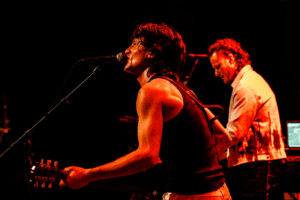

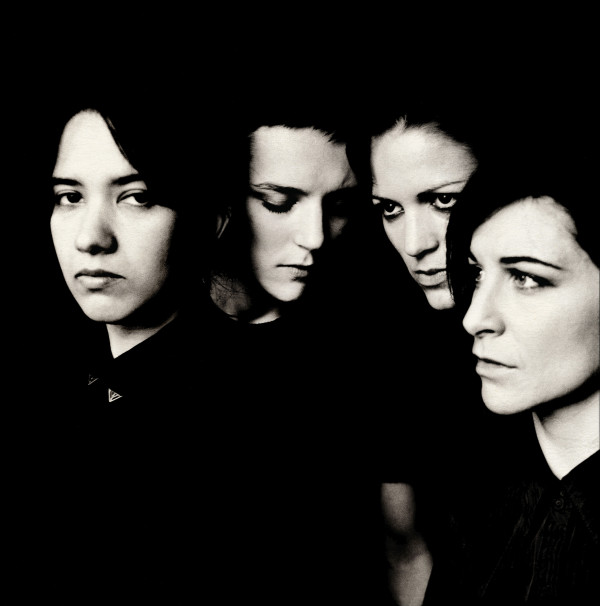
In making Silence Yourself, Savages have brought back the echoes of a largely forgotten genre in the modern music landscape. While post-punk still has wide reverberations in music, it’s mostly in certain styles and sounds, and rarely ever materializes completely in an album. Silence Yourself comes as close as an album in recent memory to dredging up the tenants of the post-punk sound, and while it doesn’t necessarily break any new ground in its sound or style, it captures the ferocity of the genre and encapsulates everything that made it so important and influential.
The album opens with the dirty and clanging “Shut Up,” which sets up the insular feel of the album. It is one of the many songs on the album, including “City’s Full” and others, that play into this same theme. Given the sound and the themes the album attempts to get across, it’s not surprising that Silence Yourself is a very introverted album. The songs deal largely with someone who seems to have given up on the world. This is focused through a very gender specific view as well. The band definitely uses the gender inequalities that women feel as a catalyst for much of the album, and this plays into its appeal. This is an album that makes a statement but it never really feels like it’s at the sake of the overall quality of the album. In many cases, such as in “Husbands” and the excellent “She Will,” it actually adds to the power of the songs.
Savages largely use a very simple style to get their message across. Many of the best songs are buoyed by Ayse Hassan’s droning bass that gives the album its backbone. Its best songs are fast paced and combative. The middle part of the album suffers a little from a slowed pace, but the probably overlong “Waiting for a Sign” and the instrumental “Dead City” still have some beautiful work in them. In fact, the middle of the album feels closer to post-rock than it does post-punk at times. Jehnny Beth’s vocals aren’t exactly groundbreaking, but she has a perfect voice for the band’s sound. Instead of hiding from the influences that might have made up her vocal style, she embraces them. Her ability to own a song really separates Silence Yourself from falling into the void of derivative for the sake of it that can plague bands that play on their influence as much as Savages do.
It’s fitting that the album ends with “Marshall Dear,” a song that plays like a vindictive Dear John letter that includes the titular lyrics of “silence yourself” throughout. It is a beautiful and haunting denouement that links wonderfully to the album’s jagged opening track, “Shut Up.” Silence Yourself is very much indicative of its bookends. It feels like a journey, and the consistency of the narrative throughout the album holds up very well. It’s a threatening and furious album that never truly lets you get comfortable while you listen to it, and that is what truly makes it great.
Whether you like Silence Yourself will most likely boil down to how you feel about influence in music. It’s without a doubt that Savages owe much of their style to the post-punk giants that came before them. But there is a difference between making derivative music that doesn’t add anything to the cannon and making a derivative album that feels sincere and elicits an emotional reaction in spite of how much it has been “done before.” Silence Yourself falls into the latter of those two categories, and regardless of how much Savages borrow from their predecessors, their accomplishments here should be appreciated.
Review by Justin Owlett