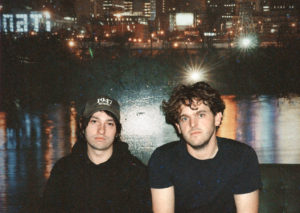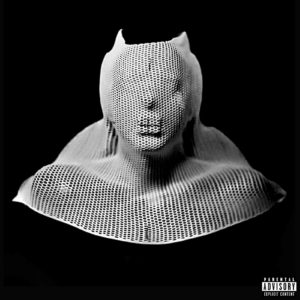

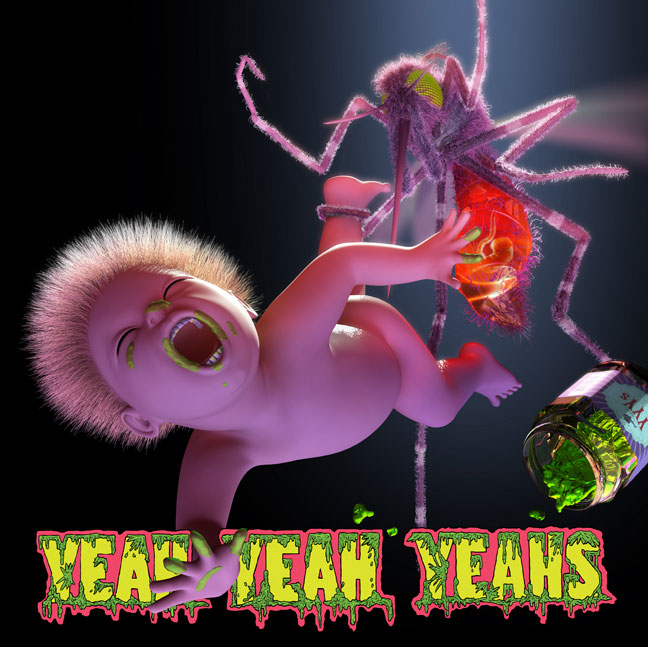
Mosquito is a strange album. There is no getting around that simple fact. It largely encompasses everything that Karen O, Nick Zinner, and Brian Chase have done in their more than 10 (!) year career as Yeah Yeah Yeahs. It’s around this time that people start wondering what a band is going to do with themselves. Although this is only their fourth album, we have already seen them attempt to go in new directions with their sound once (2009’s It’s Blitz), so it’s pretty obvious that they feel a little stagnant in the confines of the band’s original frenetic sound. As you would expect, Mosquito is an album that throws a lot of new things at the wall, and we are left to decide what sticks.
The album begins with one of its best tracks, “Sacrilege.” It starts slow, but picks up into a nice froth. In the first experimental move, the song includes a chorus near the end. While it seems a little forced, it works enough to not really distract from the song. “Sacrilege” is followed up by the equally excellent “Subway.” While it isn’t the most exciting song the band has ever released, it feels like an awkwardly beautiful homage to the MTA, capped off by using the sound of a subway train clicking on the tracks as the percussion. This is the idea on Mosquito that I felt worked best––it didn’t overpower the song but was present in a subtle way that added an extra layer to the song’s theme.
“Mosquito” is a song I could take or leave. I love the pace and energy to it, but the lyrics are so inane that it’s hard to for me to really say it’s a good song. It’s hard to tell when looking at the lyrics whether there is supposed to be some greater allusion to this song, but it is definitely not conveyed in a way that makes it feel like anything other than a weird song about mosquitoes. “Under The Earth” utilizes everything that is good about Yeah Yeah Yeahs except Nick Zinner’s guitar work. Karen O’s animated voice is in full play here, and the backbeat is really fun. It’s still strange to me that you have Nick Zinner, a guitarist of some skill, taking the song off. “Slave” gives him something to do, but it’s a song that largely feels contained and innocuous. “These Paths” kind of suffers from the same problems, but has a nice little moment with vocal samples at the end.
While the album fails to really build much momentum at its halfway point, it still does enough to be interesting. Sadly, almost all of this goodwill is completely shattered by “Area 52.” The best way I can explain how I feel about this song is that I laughed audibly the first couple times I heard it. It is a song with a completely insane narrative and effects that verge on unlistenable. It shouldn’t have even been in consideration to be included on this album. This is a band that is on their fourth LP––they should know better than this.
While “Buried Alive” is another “gimmick song,” it is at least enjoyable. Dr. Octagon does a good job with his feature, even if his rhymes aren’t very challenging. At worst it is a nice palate cleanser after “Area 52.” “Always” is a simple and beautiful song. “Despair” is a wonderful song that builds into a nice bombastic finish. The album ends with “Wedding Song,” which––while subdued––works as the closing track for the album.
Mosquito is an album that seems to lack a lot of the things that have made Yeah Yeah Yeahs so interesting. While it has guitar based rock tracks, they are also some of the worst songs on the album. Of the many and somewhat random things they tried to add to the album to spice it up, some (the percussion on “Subway”) worked well, while others (the chorus on “Sacrilege” and the Dr. Octagon feature on “Buried Alive”) felt like unneeded additions to already good songs. This is an album by a band that is completely different than what we used to expect from them. It feels like an album made by an electronic act more than a band that made albums like Fever To Tell and Show Your Bones.
While we can debate whether that is a good or bad thing, just looking at the album in a vacuum can give us an indication of how it’s working out. This is an album that excels in its small moments. Song like “Subway” and “Under The Earth” lack any sort of guitar work. Even “Sacrilege” only contains whiffs of guitar. This doesn’t help or hurt them; They simply are great songs. It has moments of bliss, but also moments of (hopefully) unintended hilarity. It feels largely uneven and has no real cohesive theme throughout. It’s an album that––given the talent of the people making it––can’t help but feel like something of a letdown. Mosquito isn’t a good album, but it’s not a bad album either. It’s somewhere in the middle. It’s adequate.
Review by Justin Owlett