
It’s no secret that the television zeitgeist has become substantially more violent in recent years. Violence in film has become so commonplace as to feel almost dull at this point. Every superhero film has a city leveling fight scene, comedies take place during the zombie apocalypse and even our romance movies usually include a vampire or two. But violent TV, once confined to channels like HBO and Cinemax, now takes place on Netflix and even television networks like USA (characters welcome). All you have to do is turn on the television to get a heavy dose of O negative. Which leads me to my question: With all that beautifully shot, high energy violence finally airing in the middle of the day, where are all of the good sex scenes?
I don’t just mean on television either, film too has historically failed in creating realistic, diverse, and satisfying sexual relationships between its characters. And in the few cases in which it has, it has been talked about scandalously, as if the very act of lingering on something as natural as an orgasm was an act of deviance itself. Historically sexually confident women are portrayed as femme fatales, devious characters who use their sexuality for nefarious purposes, and it’s no secret that queer sexuality is often portrayed in relation to fictional villains. For some reason, we can accept the Avengers destroying all of New York, but the minute Eva Green’s nipple pops up in a film poster, the pearl clutches come out in droves. It’s not a new topic — the general public are pretty aware of how disturbing it is that audiences are so comfortable with blood and so horrified by a naked body. How did this happen? How is it that we have become so desensitized to violence that a consensual sex act has been banished to the realms of pornhub and OnlyFans?
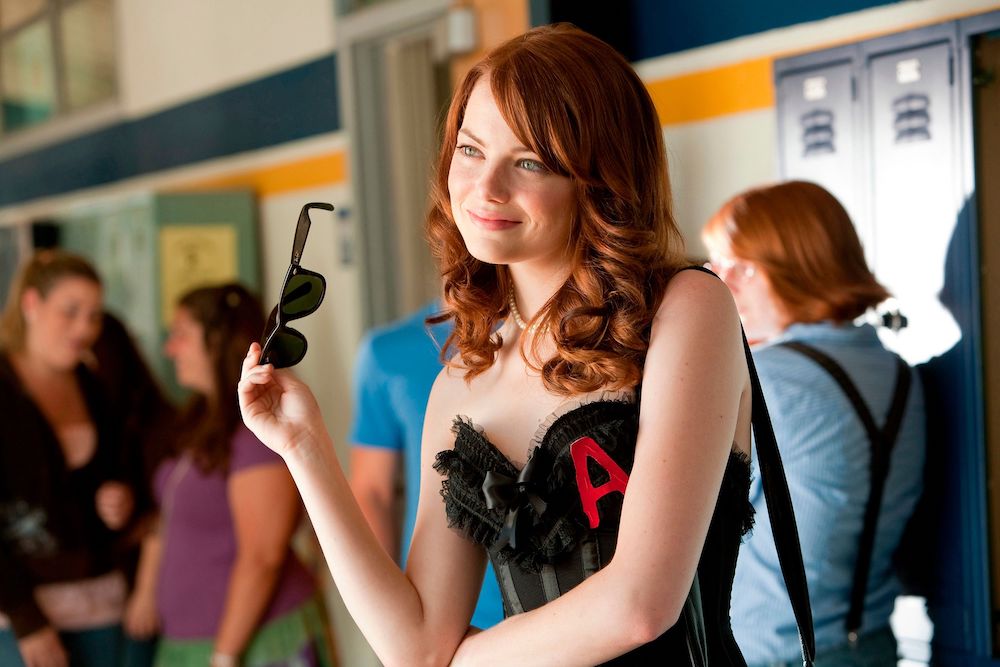
It’s such a cliche to bring up the Scarlet Letter, but hell I’m going to do it, because it’s relevant. Hester Prynne’s life was totally destroyed because she fucked. Her baby daughter is hunted down like the literal devil, and Hester herself is both verbally and physically abused throughout the story for the sin of sexuality. This was a novel that called out the hypocrisy of the puritanical value system way back in the 1800s. Easy A, which was based on the Scarlet Letter came out in 2010. So we are aware of the harm of slut shaming and the policing of female bodies, yet Hollywood still remains a cess pool of abuse and pedophilia. Just take a look at Woody Allen’s latest film A Rainy Day in New York starring young Hollywood darlings Selena Gomez and Timothee Chalamet if you are unsure.
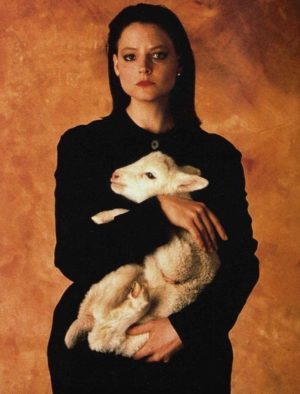
And it’s not just a matter of slut shaming or the hypocrisy of Hollywood’s movie idols. There is historically a pretty nasty precedent for how LGBTQ+ identities have been treated both in film and on TV. Let’s start with one of the worst culprits: The Silence of the Lambs. It’s a trend in cinema to treat the LGBTQ+ identity as monstrous, as something vile and evil and pathetic, and no film exemplifies this habit better than Silence of the Lambs. The film follows Clarice Starling as she tracks down serial killer Buffalo Bill who captures and kills young women, using them for their skin. It is later revealed that Buffalo Bill is actually a trans woman who was unable to get surgery for her transition and so resorted to violent methods to do so. This is one of the most horrifying characterizations of the trans identity I have ever seen. And though I don’t want to go into the reasons why it’s so horrible, I am going to do it (even though it should be obvious, and even though I realize I am preaching to the choir here). Trans people are not violent, they are not sadists, portraying them as such still remains a huge issue, and one of the main reasons why trans rights are still something that is considered controversial. JK Rowling’s essay on her unfounded fears of being taken advantage of and made vulnerable by the trans community “as a woman” comes to mind in the way that Buffalo Bill’s character is treated in the film. Trans women are already women, resentment or violence against women isn’t even in their wheelhouse. However violence against trans people is still extraordinarily common, especially with films like this one spreading fear toward the community.
The villainization of the queer identity has a massive presence in the history of media, with Basic Instinct, Cruel Intentions, and even Walt Disney cashing in on the image. But the violence toward Queer characters goes even deeper than that. Often queer characters aren’t simply villainized — they’re disposed of entirely. One death that still echoes throughout the fandom is the death of Lexa Kom Trikru on The 100. The 100 never shied away from from its visceral portrayal of the brutality and violence of a post apocalyptic society. The main character, Clarke, has killed countless people, and the third to last season even included a few instances of cannibalism. Apart from the graphic nature of the program however, The 100 is one of the most diverse shows that the CW has ever championed, with a Filipino leading man, a biracial gay couple, and several female main characters of differing racial backgrounds. In the second season, Clarke, who had a male love interest throughout the first season, begins a romance with Lexa, the steely commander of a group warring faction of survivors. The nature of the relationship happens organically without any unnecessary explanation, as if the relationship is the most natural thing in the world (which it is). Lexa hints at having female lovers in the past, and Clarke doesn’t so much as blink when Lexa goes in for their first kiss. The two women have fantastic chemistry, and a bit of a Romeo and Juliette arc, both being the leaders of their disparate survival groups. In season three, Lexa is given a gorgeously choreographed fight scene where she emerges victorious. Afterwards, she and Clarke have sex for the first time.
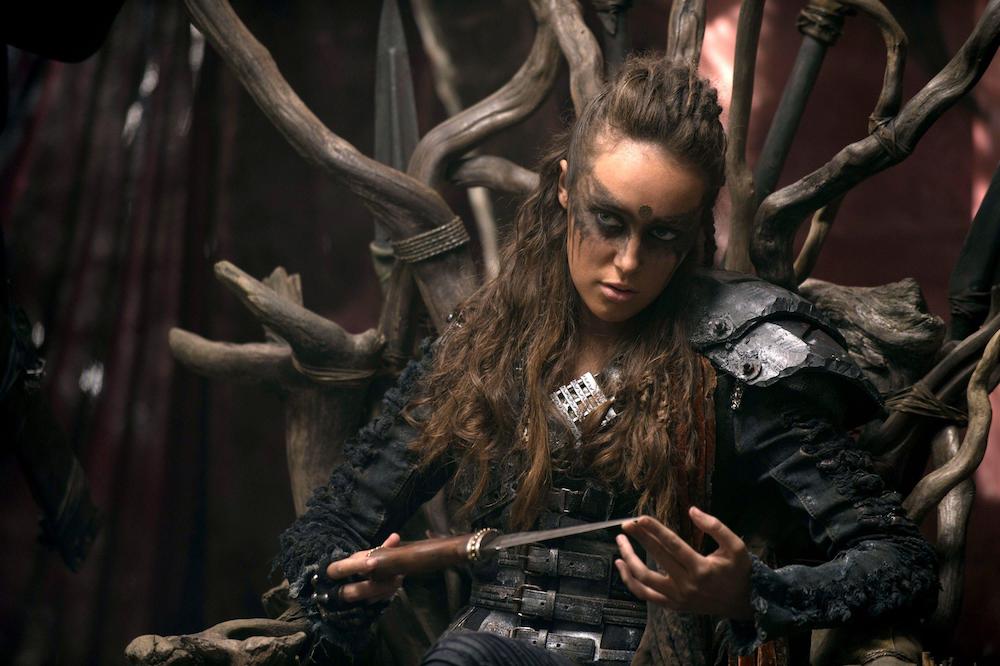
And then in the very next scene Lexa is shot, and dies.
This is a recurring problem in media, and really speaks to our acceptance of violence over sexuality. The fact that it is deemed acceptable for LGBTQ+ people to be murdered on screen and yet a shot of a woman receiving oral sex is enough to earn an x rating is truly unjust. Only just recently, the Supernatural season finale aired (I actually stopped watching after the ninth season, there’s only so many times I can watch someone die and come back from the dead). The angel Castiel tells the broody bad boy Dean that he loves him. Dean does not say it back (though apparently in the Spanish dub he actually does?? But we don’t have time to unpack all of that), and then Castiel is sent to hell. I don’t think that I even have to expand on the real world implications of that choice. In a show where characters are repeatedly brought back from hell, this narrative decision feels like a particularly nasty slap in the face.
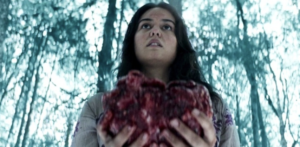
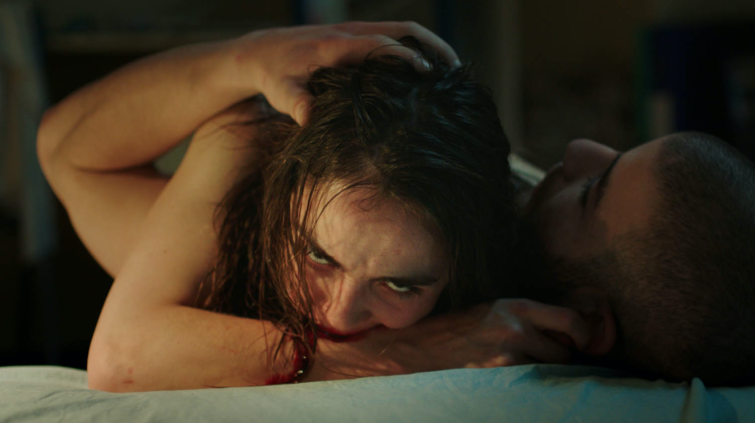
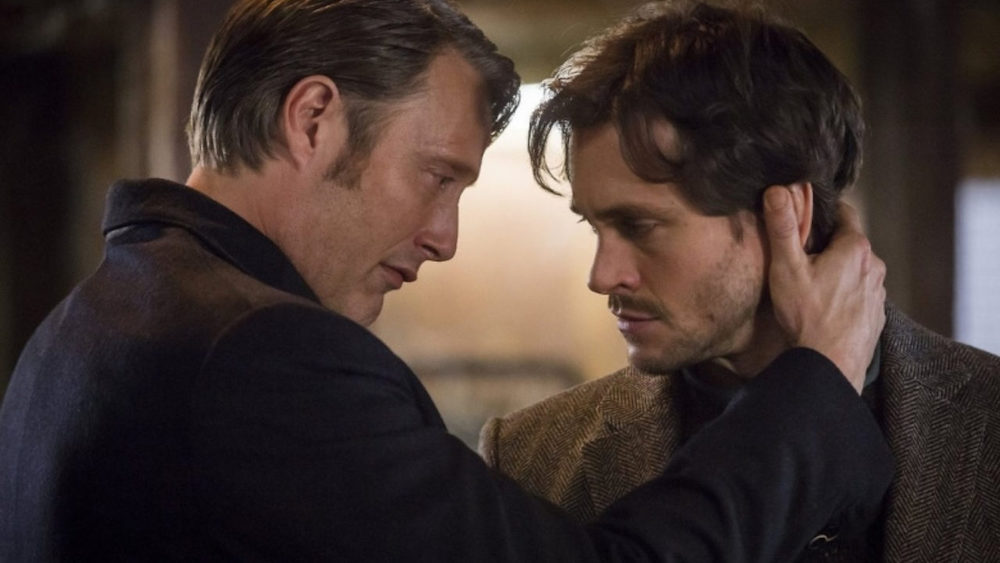
Ironically, the genre that has been most accepting of queer and sex positive storylines is horror. The horror genre has always been a beacon for the outcasts and the weirdos of society. The pagan gods and witches who live out in the woods, far away from the prying eyes and judgement of acceptable society. It’s a genre that layers blood and violence on top of sexual empowerment and self acceptance, allowing a young woman to come of age through cannibalism (yes, I’m serious) in Raw, or a serial killer to fall in love with the autistic male FBI agent pursuing him on the NBC Bryan Fuller created show Hannibal. In the latter, Bryan Fuller, a queer man himself, actively undoes the homophobic, neurotypical, male-centric storyline that made the Silence of the Lambs so problematic, actively viewing the storyline through an openly queer lens. The difference in both of these examples as compared to the violence in the previous two is that the young woman in Raw is empowered by her sexual awakening and newfound strength, and emerges victorious and entirely accepted by her family in the end. On Hannibal the sexuality of the characters is not the aspect that makes them monsters, but rather a redeeming factor that brings them out of their inner darkness. On The 100 we just watch a girl get shot and and then in the very next season her girlfriend is literally abandoned alone on Earth for like ten years.
The problem here is that what we see portrayed on TV and in film does have real world consequences. When you are repeatedly shown images of queerness being portrayed as deviant, the idea that the queer community is made up of violent freaks is going to become the accepted narrative. When we continue to watch queer characters murdered and punished onscreen, especially after an expression of love for their partner, it becomes easier to accept the murder of queer people in reality as well. When sexuality is shamed onscreen, it feels easier to shame it offscreen as well, which makes it easier to portray it onscreen and on and on and on.
There is already enough sexual violence and violence toward the LGBTQ+ community happening in the world, we really don’t need to see more of it onscreen. And if you are going to portray us as monsters, at least make us monsters who are worthy of love, and maybe give us a happy ending and too. I promise it won’t kill you.