
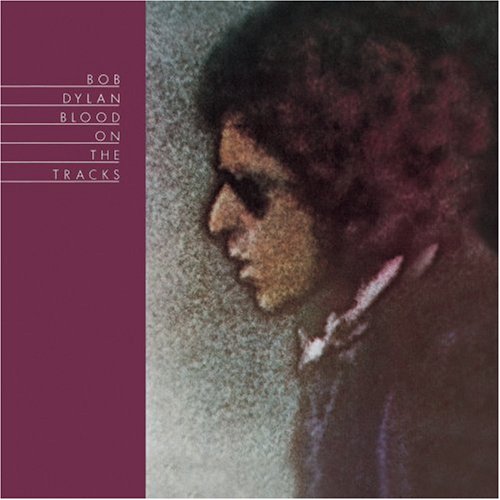
As far as throwback albums go, Bob Dylan’s 15th studio album Blood on the Tracks, released in 1975, stands alone. Unlike the albums prior, Dylan’s seminal record changes the content from the sneering and protesting mid ’60s aria (a la Inside Llewyn Davis) into heartbreak, nostalgia and weariness with the world around him. The album is said to be a veiled reference to the messy breakdown of his marriage to Sara Lowndes.
Gone are the snappy and digging undercuts that punch social and political baggage. Rather, Blood on the Tracks is raw with the blood of an open wound. Before cutting the songs, Dylan had auditioned them for David Crosby, Graham Nash and Mike Bloomfield and eventually a week before finishing the album cut them with the members of the bluegrass band Deliverance. In mixing collaborations with different sounds, Blood on the Tracks is remarkably different for another reason entirely. Dylan is no longer singing about youth and recklessness; in “Idiot Wind,” he is angry and retaliatory: “You’re on the bottom. I noticed at the ceremony, your corrupt ways had finally made you blind.”
This album is worth coming back to not because it’s different from the Bob Dylan most are used to, but because while he can be angry and confused, he’s hurt. In “You’re A Big Girl Now” he sings “I can change I swear.” “You’re Gonna Make Me Lonesome When You Go” turns the tables entirely (it’s also one of my favorite songs ever, so definitely give it a good listen). Blood on the Tracks is timeless because we will always feel world-weary, tired and lost with another at some point in our lives. As much as it hurts us to return to those feelings, there is no pain like the pain of musical release.
Review by Eva Bandurowski. Follow her on Twitter at @ewabando.