
Horror movie villains always have some basis in the psycho-social. Whether they are the more realistic incarnation of Patrick Bateman in American Psycho or the fully monster movie terror of Pinhead from Hellraiser, there is usually a metaphor in there somewhere once the instinctual cringe has worn off. Patrick Bateman is a psychopathic serial killer targeting potential love interests and business rivals alike and there have been pages and pages written about his embodiment of toxic masculinity. In Hellraiser, a horrible man named Frank conspires to steal the wife of another horrible man (also his brother because this whole family sucks) named Larry. The movie is bad but there is a reason it is popular in some circles of the BDSM community, and it’s actually a better and somehow healthier representation than Fifty Shades of Gray (another laughably bad horror movie!).
But in watching horror movies, it becomes difficult not to notice a pattern. While the men in these movies play villain, victim, and victorious heroes, the women are reduced to their thinnest caricatures. There is the virginal “final girl”, the ill-fated slut, the tool, the victim. Even when the female character emerges victorious it is always with the caveat that she was the good girl who deserved to escape, or that the studio just really wanted her to carry the upcoming sequels.
Rarely are there female horror movie villains who aren’t just the catalyst of their obsession with a male character, but when a film does deign to create an interesting female villain, she is usually the incarnation of the frightening consequences of social injustice.
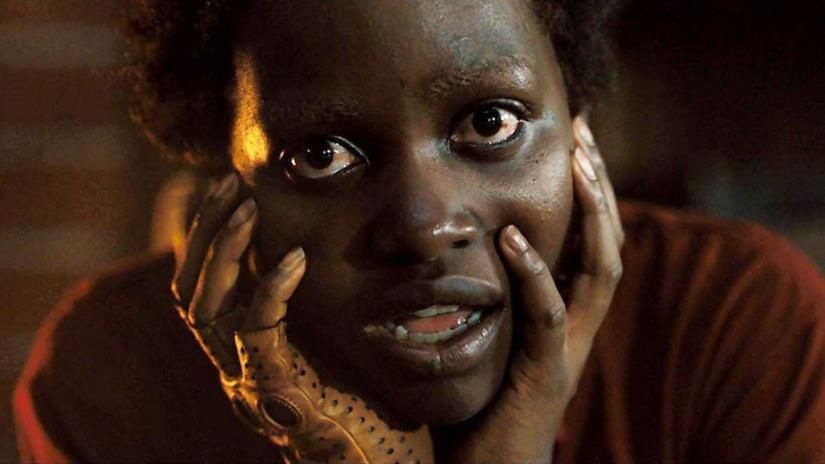
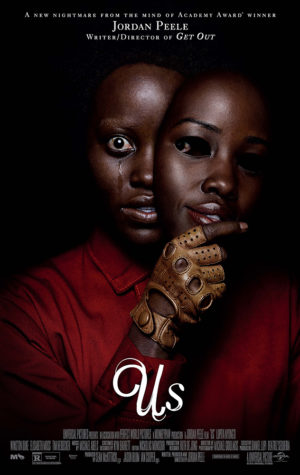
In Us, we follow Adelaide and her family as they return to the same beach side town where she experienced a traumatic event as a child. When they get there, they are pursued by a family who look just like them, only slightly unfinished. It turns out that these are the family’s dopplegangers who have grown beneath the boardwalk, living a harsh and unforgiving life while Adelaide and her family experienced warmth and comfort. In the end, we learn a shocking secret about Adelaide that throws the rest of the movie into even more disturbing territory.
Another film that touches on the horror of ignorance and privilege is Braid. Braid centers on Daphne, a wealthy heiress who lives alone in a mansion she inherited from her grandparents. Two old friends on the run from the law come to her mansion with the intention of stealing her money, but instead she traps them in a violent, strange game that, it is implied, she has been forcing them to play since they were all children. Daphne is obviously a very sick woman whose untreated mental illness has gone ignored by everyone around her. Her wealth becomes a mask for how sick she really is and she only gets worse as she gets older, until it begins to affect everyone else around her.
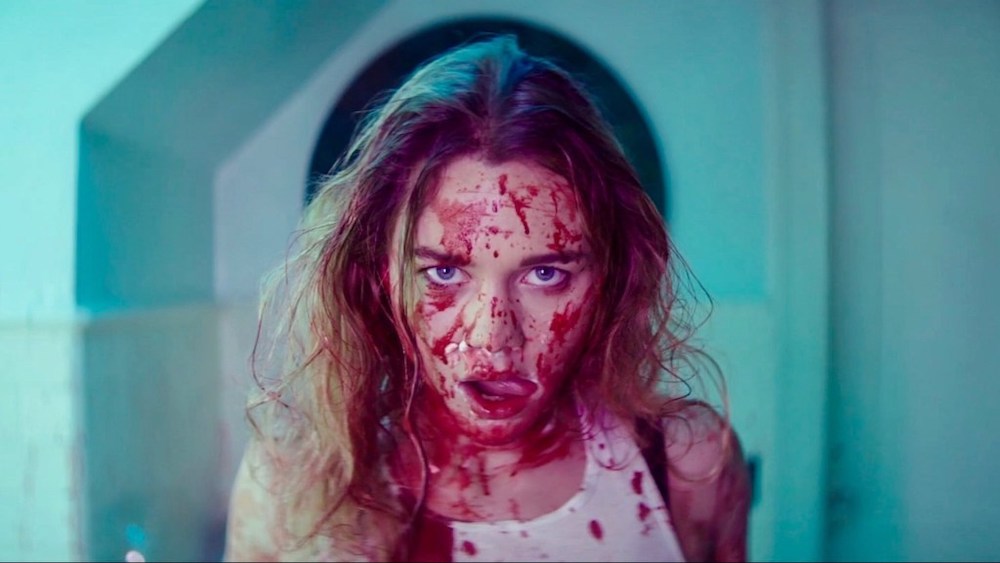
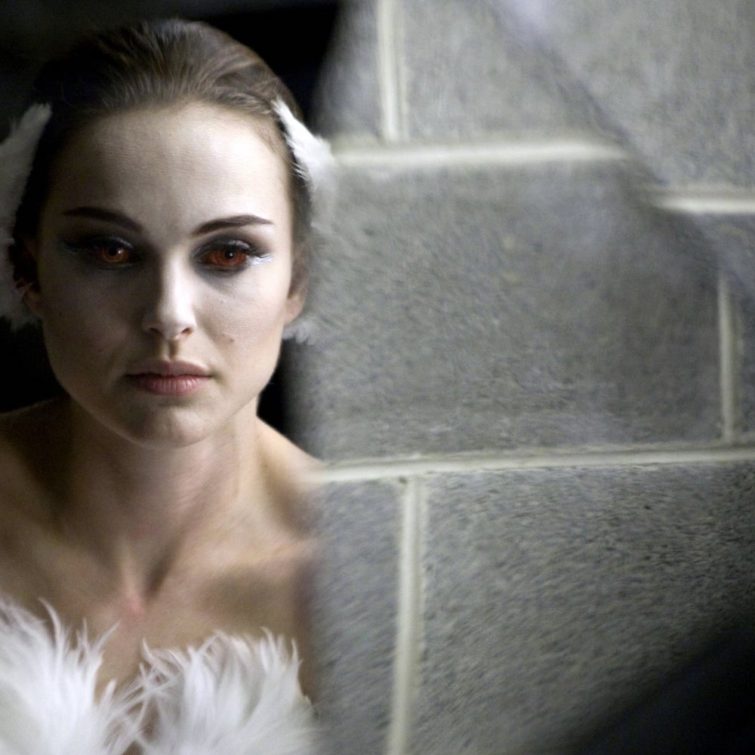
In Black Swan Nina Sayers suffers from a variety of psychological issues, many of which are exacerbated by her controlling relationship with her mother. Her mother keeps Nina in the controlled confines of childhood, surrounding the twenty year old woman with stuffed animals and frothy pink. It’s not until she wins the role of the Swan Queen at her ballet company that Nina begins to rebel, sometimes in violent and masochistic ways. As Nina’s sanity begins to spiral, she also begins to take some control as a full grown woman, finding the passion she needs for her role as the darker side of the swan queen. Her obsession also buys her freedom, but at a dark price.
Every time a woman is given freedom to become unhinged in film, as terrifying as it sometimes is, there is something that is also very relatable about it. The pain of chasing perfection, the tragedy of a family who choose to ignore a child’s mental state, or the resentment of seeing someone with more than you have. Of course there is relatability in male horror movie villains as well – the difference is that after years of seeing women die horribly, or only be spared if they conform to one singular type of woman, it is freeing to see a woman be feared rather than be fearful. I always feel very calm after I allow myself to get angry. There is something very calming about seeing a woman allowed to express that on screen. There is something monstrous inside all of us, and that can emerge no matter what gender you do or don’t identify as.