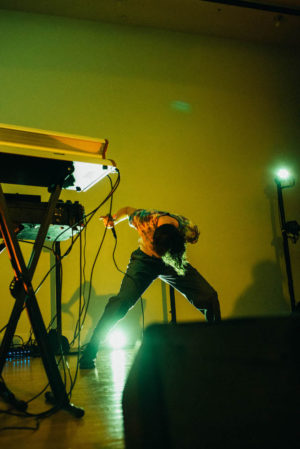


Photos by Jesse Hughey
When I went back to Seattle last summer I was struck by the harsh reality that the artistic home I grew up in had changed drastically. Neighborhoods that were safe spaces for queer and LGBTQ+ people and artists had become tech bro playgrounds. The amount of homeless people had skyrocketed, their makeshift tents lining both sides of the streets in some places. It had become glaringly apparent that with the tech boom of Microsoft and Amazon, 25 year-olds making six figures had significantly altered the cultural landscape of the city. Venues that were artistic landmarks were in danger of shutting down, the type of music being made and supported at local festivals was dismal, and it seemed like the reality of being an artist in Seattle was harder than ever. The romanticism and nostalgia for 90s grunge had died. The city was in dire need of a cultural and artistic revolution — of a place for local musicians to thrive instead of being taken advantage of by the system.
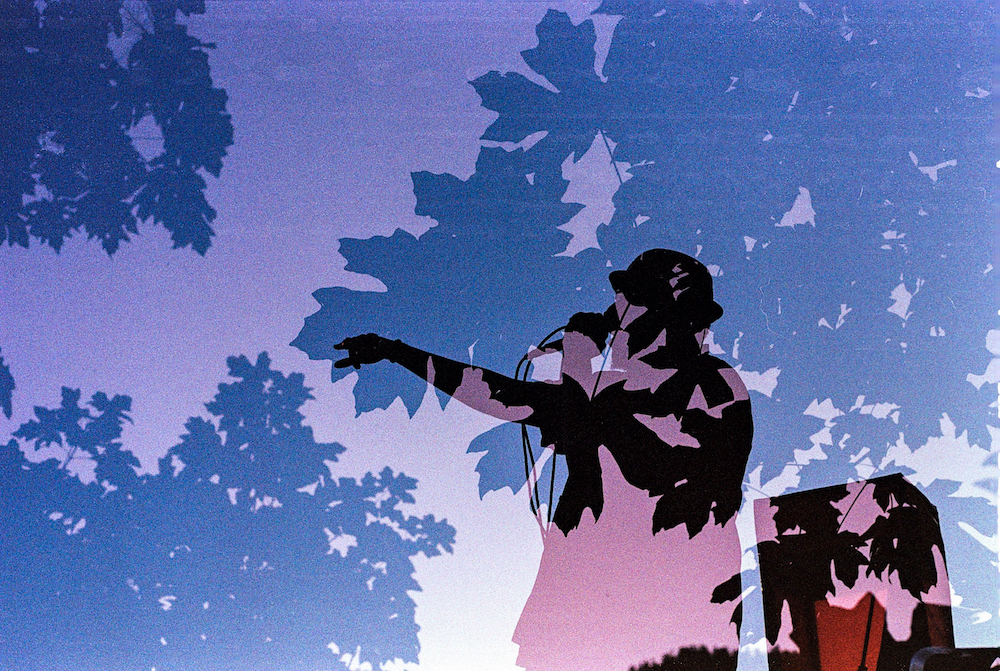
Enter Kame House. In true “ask a punk” fashion, Kame House is a DIY venue and production space in Seattle that’s been around for a little over two years. We spoke with co-founder Dan Ahrendt who, until recently, has been responsible for renting the space and acting as the primary booker to accompany our zine feature with audio/visual specialists Brandon Hughes and Jesse Hughey. Kame House exists because of the team that’s behind it existing of Dan (Co-founder, rented the space and Primary booker until recently), Trevor Robison (Co-founder, rents the space, and booker), Brandon Hughes (Co-founder, audio/visual tech), Jesse Hughey (Audio/visual tech, live visual specialist, media producer, primary photographer), and Harley Rose (taking over Dan’s role in renting the space and new booker). Dan gave us insight on what makes Kame House such a special and essential DIY space, his favorite shows he’s booked at the space, and what his plans are now that he’s relocated to New York.
So tell us a little bit about the origin story of Kame House — how did this all come to be?
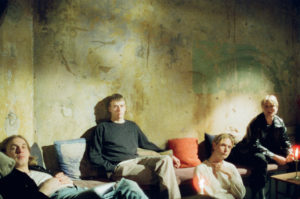
Dan Ahrendt: I was aware of the building that became Kame House back in 2014 when I moved to Seattle, because I lived next door to it. The building is a part of a trio of buildings that were once a part of the Seattle Film Institute, so they have very odd layouts. When Trevor (Robinson — another co-founder who currently rents the space) and I moved into the space, we were kind of at a loss of what to do with the ridiculously tall ceiling and open wood floor of the living room. We decided that it would be a total shame to toss a bunch of couches in it and decided we were gonna have shows. We’d all been involved in DIY music one way or another for large portions of our lives and Seattle didn’t/doesn’t have a solid base for a powerful house show scene.
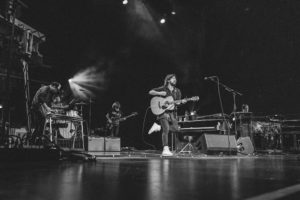
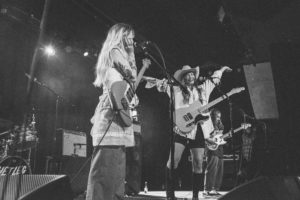
With help from Trevor’s cousin Ian Burns (a professional carpenter), we created a stage, a lattice of soundproofing panels, and I purchased a large yet somehow cheapish EV sound system from some guy in Gig Harbor, Brandon and I pieced together an amp/mixer rack, our visual genius friend Kevin Blanquies provided us with an awesome basic lighting setup, and I came up with a name based on my general love of Dragonball Z. 2 years later, I can safely say its the best house venue I’ve ever been involved with.
What made/makes Kame House a viable DIY venue?
Dan: The location is on the edge of the Central District and Capitol Hill, an area where a lot of musicians and show goers live. The house is on a relatively busy street, next to a Safeway parking lot (already loud and easy BYOB, and has a few very sympathetic neighbors. Brandon and Jesse even live next door. The building has a living room with giant ceilings and already installed lighting poles in it. Pretty absurd. The people involved all have a large degree of experience in the Seattle music community and in DIY in general. All together we have not just booking, equipment tech, and media out reach covered, but a glut of random sound and visual gear we had all collected as general nerds over time. One of the biggest reasons for its viability also is simply having the financial stability to rent the space and supply more equipment. The building itself was leased to Trevor and I, so we essentially subsidized it, and then used it in a voluntary pseudo communal fashion. The rent isn’t cheap, but luckily Trevor and I both were earning enough for it. While some of the money from shows went back into a fund for the space itself, that didn’t start happening in real earnest until the second year of its operation, and that portion is definitely not enough to make the space completely self sufficient. Having the ability to outfit and rent a space for something you love that can be shared with the community is definitely a privilege, but it’s a privilege I’m glad I had. The noise ordinance in the CD on Fridays and Saturdays is legally 11:30pm, so for the most part we restrict shows to those nights and have at least the really loud ones end before/by then.
Do you have any favorite shows or acts you booked? How did you come across those bands or artists?
Dan: The earliest one that sticks in my mind is a fund raiser we had for our friends NEWAXEYES back in December 2017. Not only was it my first full solo set as Tengu Yawn opening for them, but it was the noise rock band CHARMS’ last show. While large shows do tend to stretch into the kitchen, this show was a whole order more absurd with the staircase completely monopolized and the kitchen completely packed.
Other fantastic bills include…
…a March 2018 show with local hiphop powerhouses Donormaal, Taylar Elizza Beth, and West Hell
…Oakland EBM workout freaks Diesel Dudes with Sashcloth & Axes and locals Dyed in April 2018
…hosting a night of the local Susquatch DIY fest from 2018-2019
…the Vancouver BC crew comprising lié and Sigsaly cranking their goth punk and live techno in March 2019, opening with Black Agent for Seattle’s Dream Decay
…and AN-i from Cititrax improvising a live techno set from rando gear in May 2019
Some of these people are friends and bands that you just meet going to shows at bars/venues/houses in Seattle. Others would hit us up via Facebook, Instagram, email, and mutual connections. Some were acts that my friends who booked for proper venues diverted to me.
Now that you’ve left Seattle, do you have any plans to recreate the model in New York or elsewhere?
Dan: Not initially. I moved here in part to simplify my life and work toward my own music, so that’s the priority. That being said, getting involved in existing venues and spaces will always be something I’ll gravitate toward.
I don’t have a good enough idea of the DIY climate in NYC yet to conceive of formulating a new space. I just got here and a place I first got to experience and admire last week (The Glove) is on it’s last legs. I’ll need to dig in more before I can really see if this place would grow from my involvement in cultivating space.
For perspective from the visual/audio side of the operation, check out our interview with Jesse and Brandon in Issue 8