
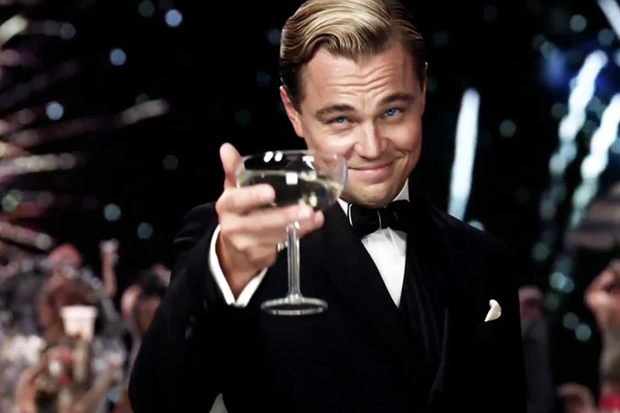

Baz Luhrmann’s style of moviemaking has notoriously produced divisive audience reactions. The director’s not-so-subtle approach to bringing his cinematic visions to life onscreen can’t be faulted for anything other than comprehensive however when it comes to the meticulous attention paid to the music. When was the last time a director could generate just as much buzz for a soundtrack as the film itself? It’s probably far easier when you’re able to throw out the fact that Jay-Z is acting as the executive producer on a musically star-studded collaboration.
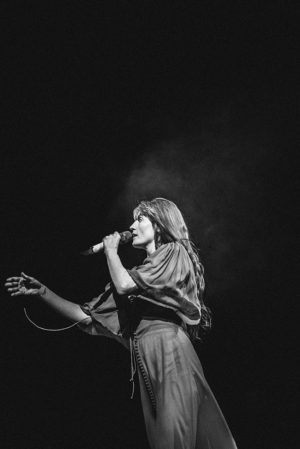
The Great Gatsby soundtrack brings together a diverse range of current mainstream and alternative artists, everyone from the always fantastic Florence + the Machine to exceptionally broody rockers like Jack White and The XX. Bold mashups including Emeli Sandé and The Bryan Ferry Orchestra’s “Crazy in Love” are fairly accurate reflections of the larger than life anachronistic stylizations Luhrmann has become so fond of using.
As a classic novel that’s on just about every required high school reading list, The Great Gatsby could partly be described as an meaningful tale of doomed love executed eloquently with soap opera-esque plot lines and themes. That’s the superficial summary version anyway, and the emotional sentiments can be found all over the soundtrack, right down to the mawkish Lana Del Rey. She has the lead single off the soundtrack, “Young and Beautiful,” and the original contribution is present throughout key moments in the film in several variations.
It leads to an earworm that lasts for way too long, even after the movie has ended. Love as an illusion steeped in excess and artificial glamour is a recurring theme maxed out visually in the film and cleverly crafted in the single. Singing under the guise of the shallow Daisy Buchanan suits the songstress, as Del Rey’s musical persona is essentially incarnate of everything the Daisy Buchanans out there represent—faux romanticism and exaggerated sentimentality. Sia and Florence + Machine similarly identify themselves as Daisy, but in a fashion that favorably aligns more with Kate Bush’s classic re-imagining, “Wuthering Heights,” than Del Rey.
The jazz-inspired parts of the soundtrack meshing everything from hip-hop, pop, to EDM frame the era of The Roaring Twenties excellently. will.i.am’s “Bang Bang” and Fergie’s jazz-sounding vocals on “A Little Party Never Killed Nobody (All We Got)” play in the backdrop of the most ridiculously lavish party scenes ever. It’s right on par with Luhrmann’s fondness in dismissing the idea of staying true to time periods in favor of more emotionally vivid storytelling. The unique approach is reminiscent of the now classic scenes in Romeo + Juliet that suddenly made fish tanks romantic and led to replaying Des’ree’s “Kissing You” in your bedroom. In tune with the Jazz Age influence into the 21st century, Bryan Ferry and his Orchestra create mind bending jazz interpretations of the contemporary tracks played throughout the film, including a spicy rendition of his own “Love Is The Drug.”
Reinvention is a key theme in the The Great Gatsby which is shown in extravagant visual excess on film. It’s only natural then to expect this on the soundtrack. Jack White’s tortured sounding cover of U2’s “Love is Blindness” serves as another reminder of fantasies becoming tragedies, while Jay Z’s “100$ Bill” emphasizes that age-old theme of the deceptive glamour behind money and power. An unusual, but alluring version of “Back to Black” from Beyoncé and André 3000 is a pretty good representation of the ongoing reminder that everything is not what it seems. A highlight track, the cover’s vast difference from the the late Amy Winehouse’s goes to show how original reinterpretations can be the sincerest form of flattery. Baz Luhrmann’s invokes similar feelings with his modern adaptation of the classic book.
by Sandy Chung